



US Maintains Blockade Despite Ceasefire Extension
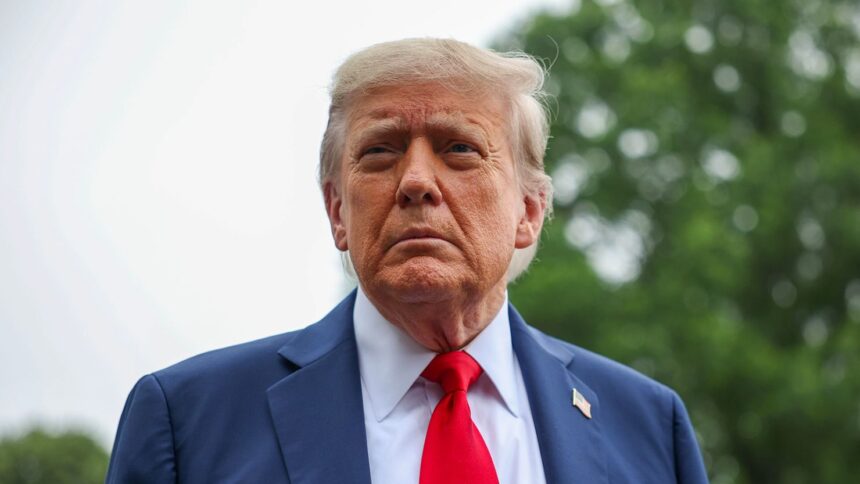
WASHINGTON, D.C.—The White House has publicly characterized Tehran as being in a “weak position” even as Iran escalated tensions by seizing two commercial vessels in the Strait of Hormuz, a critical global choke point for oil transit. The recent seizures mark a dramatic flexing of naval power by the Islamic Republic, but U.S. officials maintain that President Donald Trump holds the strategic advantage in the ongoing geopolitical standoff.
The seizures occurred shortly after President Trump announced an extension of the fragile truce, ostensibly to allow the Iranian government time to formulate a “unified” and comprehensive proposal for de-escalation and negotiation. However, this diplomatic gesture was immediately undercut by the White House’s insistence on maintaining the naval blockade of Iran’s ports, a policy designed to cripple Tehran’s oil exports and financial lifelines.
Strategic Strait Becomes Flashpoint
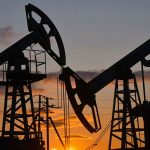
The Strait of Hormuz, through which roughly a fifth of the world’s oil supply passes, has again become the focal point of international concern. Iran’s actions—the boarding and seizure of two unnamed ships—are widely interpreted as a direct response to the sustained economic pressure exerted by the U.S. blockade. For Tehran, controlling or disrupting movement through the Strait is one of its most potent, albeit risky, forms of leverage against Washington and its regional allies.
Iran Accuses White House of ‘Flagrant Breach’
In response to the continued blockade, Iranian state media and government spokesmen swiftly accused the White House of a “flagrant breach of the ceasefire.” From Tehran’s perspective, the simultaneous offer of a truce and the continuation of an economically destructive blockade are fundamentally contradictory. They argue that maintaining the naval blockade renders any attempt at genuine negotiation moot, as it removes the necessary foundation of mutual trust and respect for the truce agreement.
Political Analysis: Trump ‘Holding the Cards’
The White House’s assertion that “Donald Trump is holding the cards” is rooted in the perceived success of the “maximum pressure” campaign. By maintaining the blockade, the U.S. keeps Iran’s economy under immense duress, limiting its resources for both internal stability and regional military projection.
The political calculus appears to be that Iran’s recent provocative naval actions—the ship seizures—are acts of desperation, confirming Tehran’s vulnerable status rather than demonstrating strength. The U.S. strategy gambles that the internal pressure from economic sanctions will eventually compel Tehran to make significant concessions on its nuclear program, regional proxy activities, and ballistic missile development.
Conversely, Iran’s move in the Strait aims to raise the costs of the U.S. strategy, forcing international stakeholders—particularly energy consumers—to pressure Washington for a genuine de-escalation that includes lifting the sanctions. The escalation transforms a purely bilateral economic dispute into a major international security crisis, complicating the U.S. position.
The immediate future of the fragile truce hinges on whether President Trump is willing to ease the economic pressure in exchange for Iranian compliance, or if he will continue to leverage the blockade until Tehran is forced to negotiate from what the White House insists is a structurally weak position.