






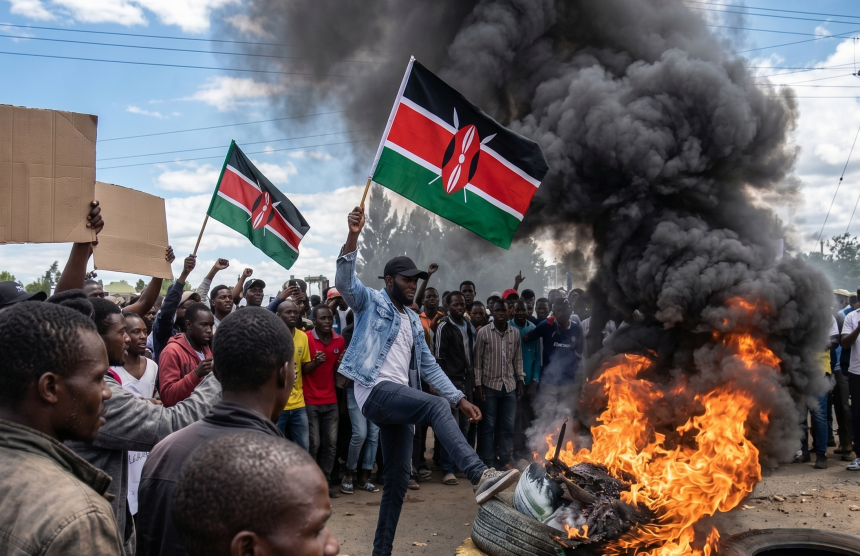
A wave of civil unrest has paralyzed Kenya as citizens rise against a provocative U.S.-financed Ebola containment directive, a crisis that has already claimed a life and ignited a constitutional firestorm. The project, intended as a strategic outpost for American personnel arriving from the virus-ravaged Democratic Republic of Congo, has exposed deep-seated anxieties regarding neo-colonial health policies and the perceived erosion of national self-determination.
Tensions reached a boiling point at Laikipia Air Base and the corridors of Nairobi, where furious demonstrators denounced what they termed the “outsourcing of contagion.” Civil society leaders are condemning the administration for allegedly transforming Kenyan soil into a laboratory of convenience for Washington, potentially imperiling a populace already grappling with strained medical infrastructure.
The cost of dissent turned lethal when VOCAL Africa confirmed the fatal shooting of a 27-year-old man during a violent escalation between security forces and protesters near the site. While state apparatuses maintain a strategic silence on the casualty count, the Kenya Red Cross has documented a grim tally of injuries, fueling accusations of state-sanctioned suppression of public health concerns.
In an ultimatum delivered to the Ministry of Health, organized groups demanded an immediate cessation of the bilateral agreement, arguing that the nation’s biological security must not be traded for diplomatic favor.
A Nation on the Brink: Infrastructure Fears
Skeptics are sounding the alarm over a critical deficit in indigenous containment capacity, asserting that any breach at the facility could trigger a catastrophic domestic outbreak. The geopolitical optics remain scathing, with many questioning why a superpower would choose to export its biological risks to East African soil rather than fortifying its own domestic defenses.

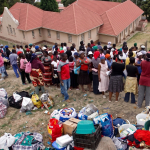
The proposed 50-bed isolation unit is slated to operate under exclusive American medical jurisdiction—a provision seen by many as a direct challenge to Kenyan professional oversight. While Washington has brandished a 13.5 million dollar aid package as an olive branch, critics dismiss it as a mere pittance for the risk of hosting a level-four pathogen.
The State Counter-Attacks: Ruto Stands Firm
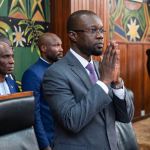
President William Ruto has entered the fray with a defiant defense of the partnership, framing the facility as a cornerstone of a visionary global health alliance. He maintains that the project is a calculated component of national defense, asserting that the administration remains fully cognizant of the high stakes involved in this international health gambit.
Dismissing the public outcry as misguided, the President characterized the center as a standard evolution of emergency response, rather than an extraordinary concession to foreign interests.


Judicial Intervention: The Battle for Transparency
The theater of conflict has shifted to the High Court, which has issued a stinging rebuke to the executive by extending a freeze on the project. In a landmark ruling, the court has given the government a seven-day ultimatum to peel back the veil of secrecy and reveal the full extent of its clandestine agreements with the U.S.
The Katiba Institute, spearheading the legal offensive, argues that a project of such profound public consequence cannot be brokered in the shadows, demanding an end to the culture of administrative opacity.
Viral Shadows: The Looming Regional Outbreak
While Kenya currently remains an island of viral stability, the specter of Ebola looms large as neighboring Uganda battles confirmed transmissions tied to the catastrophic surge in the Democratic Republic of Congo.
The World Health Organization has painted a harrowing picture, with over 300 cases and a mounting death toll in the DRC since May. The high-profile evacuation of an infected American missionary to Germany has underscored the global nature of the threat, further complicating the narrative of containment.
The Kenyan facility has even sparked a transcontinental debate, with U.S. legislators joining the chorus of disapproval, arguing that the American government should prioritize domestic treatment facilities over the ethically fraught practice of treating its citizens in developing nations.