




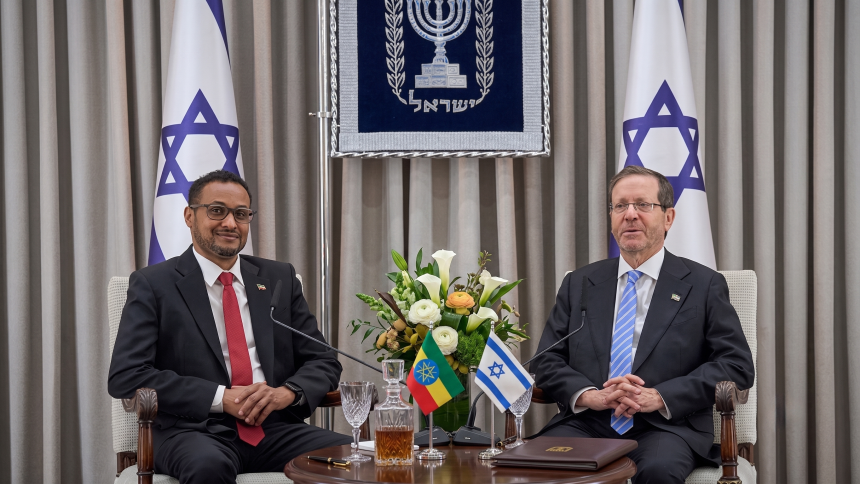
Somaliland’s unprecedented decision to establish its first-ever diplomatic mission in Jerusalem is far more than a ceremonial gesture; it represents a calculated geopolitical maneuver that challenges entrenched regional dynamics, offers a lifeline to other aspiring states, and underscores Jerusalem’s deepening centrality in global diplomatic contests. The move, following Israel’s formal recognition of the breakaway territory in late 2025, marks a critical inflection point for both the self-declared nation and the broader international system.
A Critical Analysis of the Diplomatic Significance
The opening of an embassy in Jerusalem—a city whose final status is internationally contested—is a high-stakes diplomatic play for Somaliland. By aligning itself with Israel on this sensitive issue, Somaliland gains immediate, powerful leverage and visibility.
For Somaliland: The recognition by Israel and the subsequent embassy opening deliver a powerful counter-narrative to the 30 years of global isolation Somaliland has endured since declaring independence from Somalia in 1991. The action bypasses the slow, consensus-driven processes of the African Union and the United Nations, injecting Somaliland directly into a high-profile diplomatic nexus. This move elevates the territory’s status from a “breakaway region” to a key security and political partner in the volatile Horn of Africa and Red Sea corridors, leveraging its strategic position along the Gulf of Aden.
For Israel: The establishment of the eighth diplomatic mission in Jerusalem—and the first from an African entity since the 2017 U.S. recognition shift—is a significant diplomatic victory. It validates Israel’s foreign policy objective of solidifying Jerusalem as its unified capital and provides a new avenue for strategic influence in the Horn of Africa, particularly relevant given escalating security challenges from Iran-backed Houthi rebels threatening the Red Sea shipping lanes.
Regional Fallout: The diplomatic deepening between Hargeisa and Jerusalem immediately triggered widespread alarm, particularly among Arab and Islamic states, including the Organisation of Islamic Cooperation (OIC) and regional powers like Egypt and Saudi Arabia. This concern stems from two sources: the threat to the territorial integrity of Somalia, and the challenge to the established international consensus regarding Jerusalem. The development risks further polarizing the region, potentially forcing other nations to choose sides and complicating broader diplomatic normalization efforts involving Israel.
Reviving the Hope of Aspiring Nations
Perhaps the most potent, yet subtle, implication of this development lies in the potential revival of hope for other unrecognised or aspiring nations globally. Somaliland’s success in leveraging its strategic importance and internal stability to secure recognition and establish high-level diplomatic ties offers a potent blueprint for states facing similar struggles:
| Aspiring Nation | Model Implications from Somaliland |
|---|---|
| Taiwan | Demonstrates the power of strategic alliances to bypass UN vetoes and gain de facto legitimacy through bilateral partnerships. |
| Kosovo | Shows the viability of focusing on stable governance and security contributions as prerequisites for recognition, rather than solely relying on historical claims. |
| Western Sahara | Highlights how geopolitical urgency (e.g., Red Sea security) can accelerate diplomatic breakthroughs that traditional negotiation routes fail to deliver. |
| Abkhazia/South Ossetia | Proves that diplomatic unilateralism, while risky, can break decades-long deadlocks and force the international community to acknowledge a new reality. |
Somaliland’s approach confirms that in the contemporary geopolitical landscape, recognition can be earned through strategic utility and economic partnership, not just through consensus. For long-marginalized entities, the message is clear: self-determination can be advanced by aligning oneself with powerful global actors willing to challenge the diplomatic status quo.
Broader Diplomatic and Security Implications
This development comes against a backdrop of complex security discussions. Analysts note that the Israel-Somaliland alignment is not just about mutual recognition but is implicitly linked to broader security cooperation, potentially involving the United States, focused on stabilizing the Red Sea and potentially addressing migration challenges linked to conflicts, including Gaza.
While most international embassies still reside in Tel Aviv, Somaliland’s decision contributes to a slow but steady drift toward normalizing Jerusalem as a host city for diplomatic missions. The announcement highlights Israel’s ongoing, successful strategy of offering financial and political incentives to encourage further embassy relocation—a strategy that continually reinforces Jerusalem’s continuing centrality in regional and global diplomacy, regardless of the final outcome of the Israeli-Palestinian conflict.
Ultimately, Somaliland’s embassy in Jerusalem is a calculated risk—a declaration that Hargeisa is prepared to defy global consensus to secure its national future. This gambit, driven by geopolitical necessity, has instantly made Somaliland a key, if controversial, player in international affairs, simultaneously complicating regional stability while offering a dramatic new narrative for the pursuit of self-determination worldwide.