





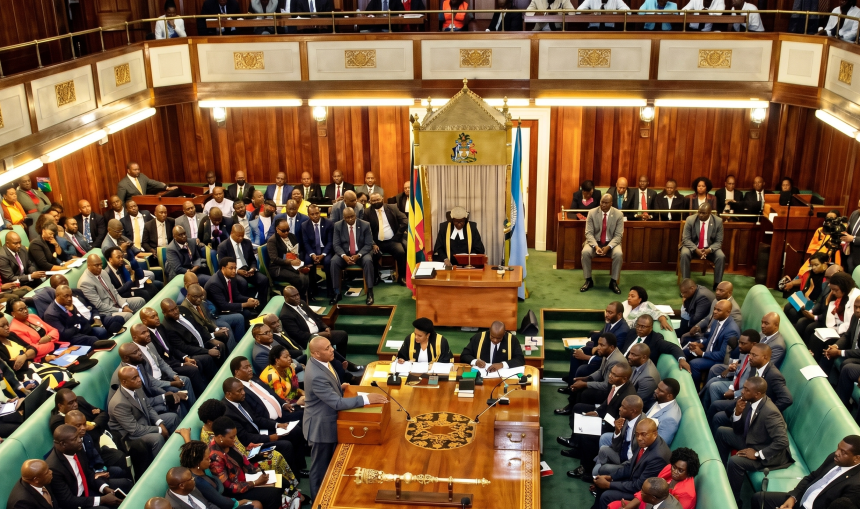
President Yoweri Museveni’s latest cabinet unveiling in Uganda sends an unambiguous message: four decades into his rule, the priority is continuity, consolidation of power, and managing the delicate politics of succession, not democratic reform. The process leading to these appointments reveals a political calculation rooted in patronage and dynastic influence, fundamentally sidelining the democratic expectations of the electorate.
The retention of key loyalists, including Vice President Jessica Alupo and Prime Minister Robinah Nabbanja, signals a reward for fidelity rather than a commitment to administrative overhaul. The continuity is stark: political veterans like Janet Museveni and Rebecca Kadaga remain entrenched, demonstrating that personal connections and long-term allegiance trump calls for a fresh, technocratic leadership.
The critical appointments underscore the true, non-democratic calculus at play. While the process may formally be constitutional, the appointments appear less driven by merit or legislative mandate and more by the need to secure internal power structures. The promotion of Kiryowa Kiwanuka to the powerful Defence Ministry, alongside the dropping of veterans like former Finance Minister Matia Kasaija, is widely interpreted as a calculated tightening of security control as Museveni begins his new term.
Crucially, analysts point to the appointments as a strategic balancing act designed to accommodate the growing influence of the First Son, General Muhoozi Kainerugaba. By weaving his political network into the cabinet structure, Museveni is not just forming a government for today, but actively engineering the succession framework for tomorrow. This patronage-based system, which balances regional loyalties and political debt, entirely bypasses the spirit of democratic representation, confirming fears among many Ugandans that the political process remains firmly centralized around one family.
The result is a reshuffle that disappoints popular hope for a more youthful, reform-minded government. The cabinet is “more of the same,” ensuring stability for the ruling National Resistance Movement (NRM) but raising serious, fresh questions about the lack of meaningful governance reform and the deeply dynastic, rather than genuinely democratic, future of Uganda’s leadership.