






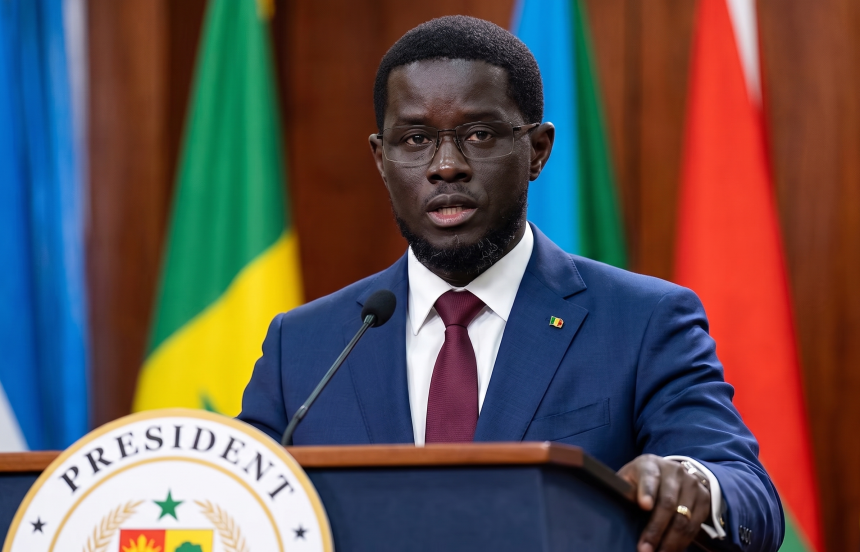
DAKAR — Senegal’s new president, Bassirou Diomaye Faye, has initiated a politically charged move by pardoning journalist Rene Capain Bassene, who was serving a life sentence for his alleged involvement in the brutal 2018 massacre of 14 loggers in the restive southern Casamance region.
The pardon, announced Tuesday and resulting in Bassene’s release on Wednesday, immediately raises questions about the administration’s stance on the decades-long Casamance separatist conflict and the integrity of the nation’s justice system.
Bassene, a journalist dedicated to covering and resolving the 43-year-old separatist conflict, was convicted alongside two members of the Casamance Movement of Democratic Forces (MFDC) in connection with the killings in the Bayottes forest.
The MFDC, which has long used the protected forest as a base and is accused by Senegalese authorities of financing activities through wood and cannabis trafficking, denied involvement, instead blaming corrupt local officials.
The Committee to Protect Journalists (CPJ) hailed the move as correcting a “grave miscarriage of justice”. CPJ’s review of the case revealed a “severely flawed investigation”.
The court documents indicated that several acquitted defendants were allegedly forced to implicate Bassene or sign inaccurate interview records. Furthermore, one MFDC member tried in absentia was convicted, while another co-accused MFDC member was acquitted in August 2024.


Policy Implications:
While the pardon is framed by the CPJ as rectifying a clear injustice, President Faye’s decision carries significant political weight. Is this pardon an isolated case of judicial correction, or does it signal a broader policy aimed at de-escalating tensions in Casamance?
Bassene’s lifelong work on conflict resolution suggests the president may be attempting to open a new channel for dialogue or reconciliation with figures connected to the separatist movement.
Given the historical accusations against the MFDC and the murky circumstances of the 2018 massacre, the administration must clarify whether this dramatic reversal of a life sentence is meant to restore confidence in the rule of law or is a strategic step in navigating the persistent separatist challenge.