






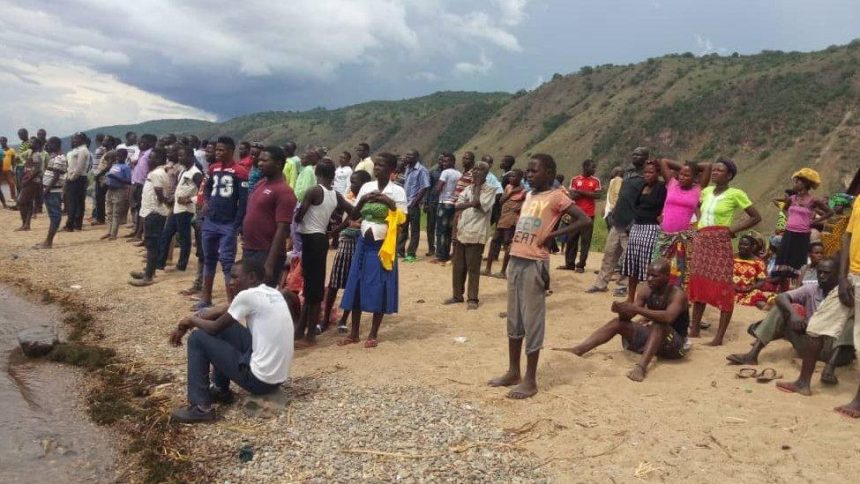
KIGADI, UGANDA – The Nguse River has once again become a grave, as at least 20 people are feared dead after a locally made boat capsized Tuesday evening. While authorities scramble to explain the disaster, the agonizing wait for answers is compounded by a growing frustration over the perceived sluggishness and inadequacy of the government’s rescue and recovery operations.
More than 30 passengers were aboard the makeshift vessel, reportedly overloaded with bags of charcoal, when it went down in the darkness. Eight survivors have been found and are currently receiving medical attention. But for the families lining the riverbanks, the hope of finding their loved ones alive dwindles with every passing hour.
Questionable Response
Marine police in Kigadi district have launched an inquiry, listing possible factors for the tragedy as “overloading, night travel and the boat’s condition.” Yet, the focus is increasingly shifting from the cause of the accident to the speed and resources dedicated to the aftermath.
Critics are asking why, given the region’s history of fatal boat accidents—including the 2018 Lake Victoria ferry disaster that killed hundreds—a more robust, immediate, and well-equipped national marine rescue service is not in place. Reports from the scene suggest that initial search efforts relied heavily on local fishermen and rudimentary equipment, rather than swift, professional intervention.
“We heard the news, but the response was slow,” lamented one relative, who wished to remain anonymous. “Where are the proper rescue boats? Where is the specialized diving team? This river is known to be dangerous, and yet, we are left to watch and wait.”


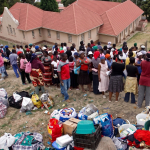
Authorities have urged victims’ relatives to come forward, a necessary step, but one that rings hollow for those desperate for action. As the investigation progresses, the government will face tough questions about its preparedness and investment in maritime safety protocols designed to prevent future tragedies and, crucially, to ensure a competent, immediate rescue effort when the unthinkable happens.
Until then, the Nguse remains a scene of heartbreaking recovery, overshadowed by a pervasive sense that more could, and should, have been done.