







Nigeria’s Energy Future Faces a New Internal War
A major confrontation is unfolding inside Nigeria’s oil sector as tensions between the Nigerian National Petroleum Company Limited (NNPC) and the Dangote Refinery continue attracting national attention.
Fresh legal disputes and industry accusations over the last 24 hours have intensified concerns about competition, pricing power, and control of Nigeria’s downstream petroleum market.
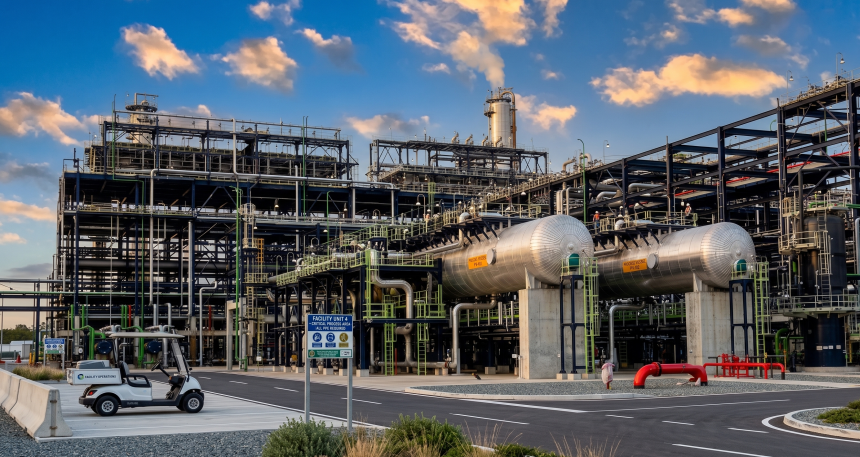
At the center of the controversy is the massive Dangote Refinery project — one of Africa’s largest industrial developments — which many Nigerians once hoped would finally reduce the country’s dependence on imported fuel.
But instead of calm, the refinery’s emergence is exposing a fierce struggle over influence within Nigeria’s multi-billion-dollar energy industry.
The disagreement reportedly involves concerns surrounding:
• Fuel supply agreements
• Market dominance accusations
• Import licensing debates
• Distribution control
• Pricing influence
• Regulatory oversight

The conflict highlights deeper structural tensions inside Nigeria’s oil economy.
For decades, Nigeria — despite being Africa’s largest oil producer — has relied heavily on imported refined petroleum due to weak domestic refining capacity and years of dysfunction within state-owned refineries.
The Dangote Refinery was expected to change that permanently.
Now, however, analysts say its enormous production capacity could reshape power dynamics across the entire region.



Why the Dangote Refinery Matters Beyond Nigeria
The refinery represents far more than a business project.
It symbolizes:
• Nigeria’s industrial ambition
• Energy independence goals
• Regional fuel supply influence
• African manufacturing expansion
• Economic diversification efforts
If fully operational at projected capacity, the refinery could potentially supply fuel not only to Nigeria but also to several West African countries currently dependent on imports.
That level of influence could dramatically reshape regional fuel markets.
Supporters argue the refinery may:
• Reduce fuel import costs
• Strengthen the naira
• Create jobs
• Improve fuel availability
• Boost export earnings
But critics warn that excessive concentration of refining power could create monopoly risks capable of affecting pricing and competition.
The debate is now becoming one of the most important economic conversations in Nigeria.
Who controls fuel distribution may ultimately influence:
• Inflation
• Transportation costs
• Political stability
• Currency pressures
• Industrial growth
For millions of Nigerians still struggling with rising living costs after subsidy reforms, the outcome carries enormous real-world consequences.
Nigeria’s Oil Future at a Turning Point
The dispute is unfolding during a critical period for Nigeria’s economy.
The country continues facing:
• High inflation
• Currency volatility
• Energy shortages
• Rising transport costs
• Public frustration over living expenses
Against that backdrop, the refinery battle is becoming symbolic of a larger national question:
Can Nigeria finally build a self-sustaining energy system after decades of dependence on imports despite vast oil wealth?
Or will internal power struggles slow the transformation many citizens have waited generations to see?
What happens next could determine not only the future of Nigeria’s fuel market, but also Africa’s broader industrial and energy ambitions.
Reported By Lucy Okereke