






Business Africa Forum Highlights Continental Self-Reliance Amid Scrutiny of Host Location
PARIS — African business titans, forward-thinking investors, and homegrown innovators converged in the French capital for the 6th Business Africa Forum, an event that sharply spotlighted the continent’s undeniable economic momentum. Yet, the gathering was permeated by a subtle but persistent question: Is Paris merely a stage for African success, or a lingering symbol of external influence?
The core message emerging from the summit was a declaration of self-determination: Africa is actively constructing the economic, technological, and financial systems necessary to thrive—it is no longer waiting for global inclusion.
Fintechs: The Battle for Financial Sovereignty
The push for financial autonomy dominated discussions. For too long, African entrepreneurs have faced systemic hurdles imposed by global payment giants like PayPal, limiting their ability to transact internationally.
In response, a powerful wave of domestic fintech companies is emerging to build independent infrastructure.
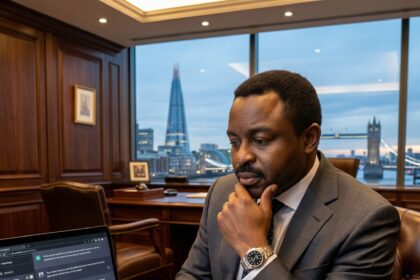
A standout example is DigiPay, a startup dedicated to creating payment rails specifically for African markets. DigiPay Founder and CEO Gachlem Ngassaki-zoni emphasized that this movement is a necessity, not a choice.



“Financial sovereignty,” Ngassaki-Zoni asserted, is the creation of payment systems that reduce dependency on foreign platforms, ensuring African businesses retain greater control over their revenue and future. This effort is a direct challenge to the fragmented markets and exclusion that have historically hampered continental trade.
African AI: Pragmatism Over Hype
Beyond finance, the forum highlighted Africa’s distinctive approach to artificial intelligence.
In contrast to the abstract, hype-driven narratives of Silicon Valley, African AI adoption is profoundly practical. Entrepreneurs are leveraging these tools to address immediate, tangible business challenges—slashing operational costs, boosting efficiency, and bolstering the competitiveness of small and medium-sized enterprises (SMEs).
AI in Africa is increasingly viewed as a crucial tool for survival and growth in constrained economic environments, automating everything from customer service to complex supply chain logistics. This focus on utility ensures that technological advancement translates directly into economic resilience.


The “Handshake Economy” and Trust-Based Investment
Investment discussions concentrated heavily on high-growth real estate markets in West Africa, notably Côte d’Ivoire and Senegal, which continue to draw global capital seeking superior returns.
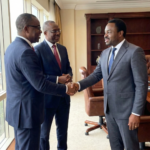
However, a key takeaway for international investors was the primacy of relationships. Success in these environments is often predicated on the “Handshake Economy”—a business system built on deep local trust, robust relationships, and established networks.
While European markets offer stability, Africa’s allure lies in its explosive growth potential, rewarding investors who are willing to navigate its relationship-driven landscape with patience and local expertise.
The Paris Question: Imperialism or Opportunity?
Despite the forum’s focus on African self-reliance, the choice of Paris as the host city sparked quiet skepticism among delegates.
For some, hosting a summit about African economic independence in the capital of a former colonial power raises uneasy questions about neocolonialism and hidden agendas. Is the forum a genuine platform for continental leadership, or a subtle attempt by European interests to manage the narrative and maintain influence over investment flows?
The fear is that major events held far from African soil can dilute the sense of ownership and decision-making authority. As one anonymous delegate noted, “We speak of sovereignty, but we speak of it on their terms, on their ground. The real measure of our power will be when the world gathers for the Africa Forum in Accra or Nairobi, not Paris.”
The true importance of the Business Africa Forum may not be the deals struck in Paris, but the bold vision of economic independence articulated there—a vision that demands African leaders maintain control over the narrative and the ultimate destination of their hard-won growth.