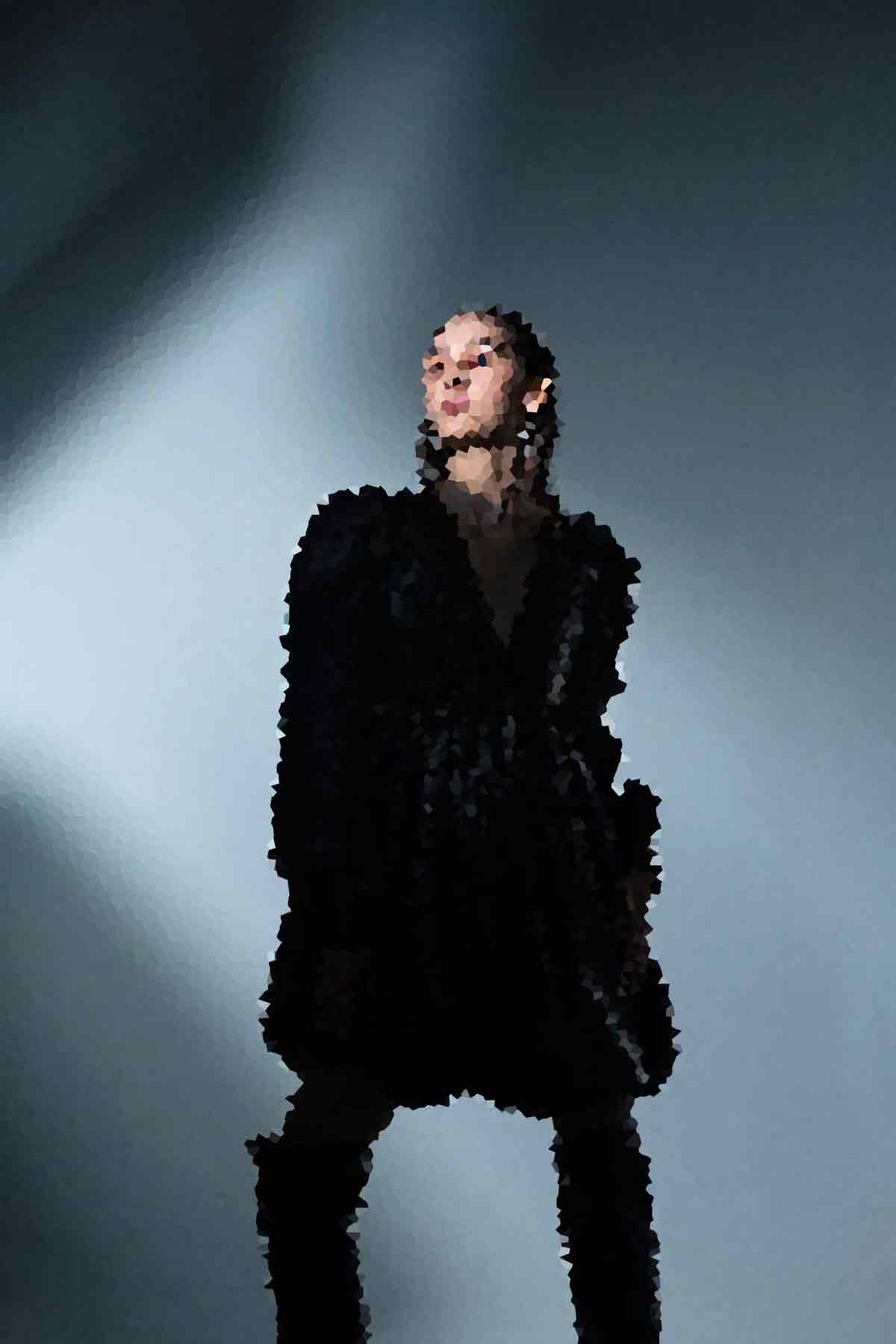






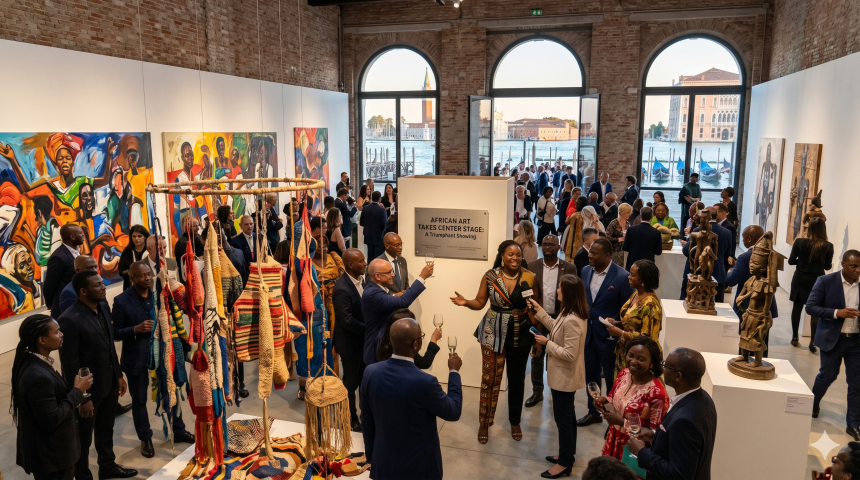
Venice is currently pulsating with the vibrant spirit of African creativity, as several nations make powerful statements at the prestigious Venice Biennale. Far from being relegated to the fringes, African pavilions are captivating audiences with installations that weave together history, social commentary, and deeply personal narratives.
Somalia: Poetry and Presence in Venice Debut
Stepping into Somalia’s inaugural pavilion offers a transportive experience. The space has been meticulously transformed into a typical Somali living room, a deeply intimate setting that underscores the exhibition’s core theme: the enduring power of poetry.
Curator Mohamed Mire emphasizes the medium’s significance: “Poetry is a very, very important way to deliver a message, to compose an idea. It is the way generations to generations, Somalis were able to transmit knowledge and stories. So poetry is the backbone of Somali social structures and history.”
Artists Ayan Farah, Asmaa Jamaa, and Warsan Shire represent the nation, housed within Palazzo Caboto. Farah’s work, known for its contemplative quality, seeks to immerse the viewer. “I want them to draw the viewer into that environment,” Farah explains, focusing on the dynamic interaction between humanity and nature, utilizing materials and installation choices to create an evocative, sensory experience.


Senegal: Reimagining the Value of Gold
A powerful conceptual exploration awaits visitors at the Senegal Pavilion, where artist Caroline Gueye confronts the historical and perceived value of gold. Historically intertwined with Senegal’s identity, the precious metal becomes a focal point for deeper reflection.
The exhibition challenges the viewer to consider a world where the universal perception of gold’s exclusivity is shattered. Curator Massamba Mbaye highlights the potential for art to shift perspectives: “The potential of art is sometimes to reverse perspectives, because the very nature of gold is that it has value… But why do they fight [for this value]? They fight simply over questions of perception, really.” Mbaye suggests that a different universe might choose to use the metal for entirely different purposes, freeing it from its conventional weight.


Ethiopia: The Loud Silence of Abstraction
In its second showing at the Biennale, the Ethiopian Pavilion features artist Tegene Kunbi, whose monumental abstract paintings burst with color, yet speak of “silence.” Kunbi defines this silence not as absence, but as a palpable social and political presence.
“The idea for this exhibition is it’s from the shape of silence. How to create a silence, silence is not absence, silence is presence,” the artist notes, inviting viewers to find meaning and resonance within the seemingly contradictory themes of vibrant abstraction and profound quietude.
South Africa: Art Triumphs Over Controversy
South African artist Gabrielle Goliath’s powerful installation nearly faced censorship from her home country’s Ministry of Culture. A dispute arose over her decision to include a tribute to Palestinian poet Hiba Abu Nada, deemed “divisive” by the Ministry.
However, thanks to widespread support and solidarity from the international arts community and the public, Goliath’s vital work was ultimately brought to Venice. It is now on view inside the historic Church of Sant’Antonin, standing as a testament to the essential, sometimes controversial, role of art in public discourse.

The 59th Venice Biennale serves as a critical global platform, and this year, the commanding presence and urgent narratives emerging from Africa confirm the continent’s pivotal role in shaping contemporary artistic dialogue.