





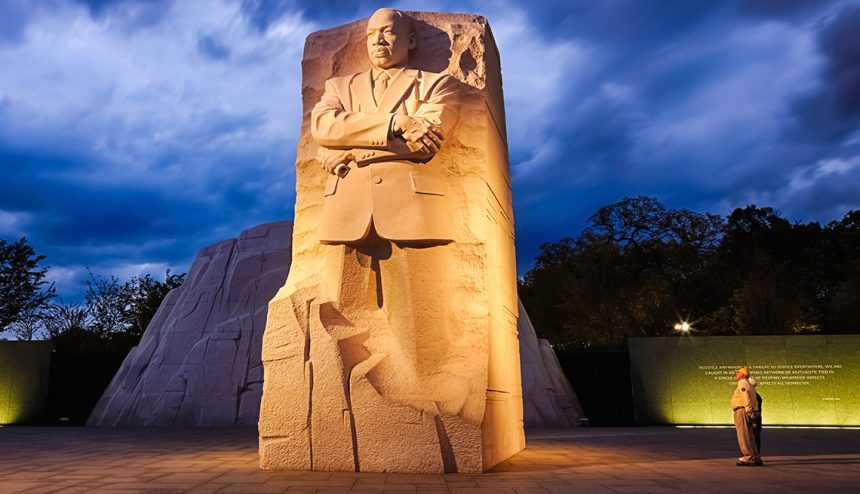
The observance of Black History Month in 2026 carries particular significance, marking the centennial of the 1926 launch of Negro History Week by historian Carter G. Woodson and his organization, which later expanded into a national month of recognition. This 100th anniversary is actively influencing February’s programming across institutions and communities, shifting the focus from general tributes to treating Black history as a dynamic, living force.
Nationwide, events are spotlighting Black entrepreneurship, economic strength, and cultural strategy as forms of resistance. Local storytelling efforts connect national Black narratives to specific communities, streets, and historical archives.
The current moment amplifies this focus. Amidst ongoing national debates about curriculum, book access, and public memory, alongside persistent issues like displacement in historic Black neighborhoods and unequal access to cultural resources, Black History Month becomes a vital public platform. It serves to acknowledge the foundations built by Black communities, detail their resistance to exclusion, and demonstrate how these legacies continue to shape local culture, policy, and daily existence.
The following cities highlight events and locations where this narrative remains active and tangible, rooted in places visitors can engage with and support.Public Memory, Archives, and Power



Washington, D.C. & New York City
In Washington, D.C., the Smithsonian’s National Museum of African American History and Culture is hosting an expanded Black History Month schedule, using public talks and events to bridge historical scholarship with the present day. This pairs with a visit to the U Street corridor, or “Black Broadway,” a cultural district built on Black business, music, and organizing despite segregation. The unifying theme is Black innovation under duress: the creation of platforms, audiences, and economic ecosystems when mainstream access was denied.

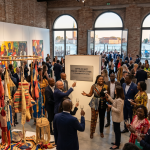

New York City centers on Harlem, where the Schomburg Center for Research in Black Culture functions as both a world-class archive and a public forum. Its Black History Month events are tailored for general audiences and researchers alike. Harlem itself is the historical site—its institutions, streetscapes, and tradition of organizing make Black intellectual production and artistic resistance feel real.
Both cities underscore a key argument: archives are not static storage; they are contemporary tools for debates over which stories influence public policy, education, and cultural power.The Legacy of the Great Migration
Chicago & Detroit
Chicago’s major focus is the DuSable Black History Museum and Education Center, whose 2026 schedule frames its work as an active counter-narrative of Black life and achievement. For visitors, Bronzeville, recognized today as the Bronzeville–Black Metropolis National Heritage Area, is an essential stop. It stands as a living map of the Great Migration, illustrating how Black southerners transformed northern cities through labor, publishing, and cultural institutions built despite intense housing discrimination.


Detroit’s signature programming runs through the Charles H. Wright Museum of African American History, featuring events that treat Black history as an active civic practice. To grasp the city’s deeper story, visitors should explore the history of Black Bottom and Paradise Valley, a vibrant Black neighborhood and entertainment district shaped by the Great Migration, which was later devastated by displacement and redevelopment.
The link between these cities is migration leading to reinvention. They demonstrate how Black communities successfully established institutions, economies, and political influence, and then fought to keep their history visible against urban planning and investment decisions that sought to erase it.Enterprise and Freedom in the South
Atlanta, Houston, & New Orleans
In Atlanta, a significant anchor is the Atlanta Black Expo at the Georgia World Congress Center, focusing on Black entrepreneurship, consumer power, and networking as forms of 2026 commemoration. For historical context, the Martin Luther King, Jr. National Historical Park and Preservation District allows visitors to trace the sites tied to King’s early life and organizing ecosystem. Atlanta’s larger context is a city where coordinated civil rights strategy, faith leadership, and community infrastructure turned local organizing into national change.
Houston’s visible cultural listing is the Black History Month Showcase at POST Houston, which integrates music and arts in partnership with the Buffalo Soldiers National Museum. To connect this to place, Freedmen’s Town in the Fourth Ward remains critical, with walking routes and preservation efforts highlighting the historic brick streets and the community’s fight to protect them. This context is rooted in post-emancipation self-determination: a community founded by formerly enslaved people that built a civic life and institutions that still define local identity despite development pressure.
In New Orleans, Black History Month is emphasized at the neighborhood level, notably through the Public Library’s art contest, which focuses on youth and the active community construction of public memory. Visitors can find a place-based history lesson in Tremé, one of the nation’s oldest historically Black neighborhoods, which is deeply connected to the city’s traditions of culture, mutual aid, and music.
The overarching theme for these Southern cities is Black cultural innovation as survival. These communities used tradition, collective care, and institutions to propel history forward, even when surrounding systems failed to protect Black life.Cultural Districts and Civic Storytelling
Los Angeles
A headline feature in Los Angeles is the African American Heritage Month gallery exhibition at City Hall, a public show spotlighting Black women’s leadership. For a neighborhood experience, Leimert Park is essential. It has long been a hub for Black arts and community life in South Los Angeles, and preservation efforts treat its streetscape and storefronts as integral to the historical narrative. The larger theme is Black cultural power and innovation, where creative districts, grassroots preservation, and public art define how the city tells its story and where it directs investment and attention.
In 2026, the impact of Black History Month is notable for both its scale and its clear intent. Across these cities, programming positions Black history as fundamental to understanding contemporary American democracy, urban development, cultural production, and economic justice. The most effective events and locations explicitly link historical resistance to present-day choices, offering travelers tangible ways to engage through institutions, neighborhoods, and museums that actively carry the legacy forward.