



A High Court in Kenya has issued a temporary injunction, effectively suspending the United States’ contentious plan to establish an Ebola quarantine facility within the country for American citizens exposed to the virulent strain of the virus.
U.S. officials had previously announced the facility would be situated at an air force base in central Kenya, with an intended operational launch date of Friday.
The decision followed a petition filed by the Katiba Institute, a prominent legal advocacy group, which argued that the controversial plan posed a grave and unacceptable threat to public health.
“The Constitution exists to safeguard Kenyan citizens, and the government is unequivocally mandated to act in the best interest of the people,” stated Nora Mbagathi, Executive Director at the Katiba Institute.
She added, “The U.S. government does not bear these same constitutional obligations or duties toward the citizens of Kenya.”
Washington’s proposal to transport Americans exposed to the highly infectious disease in the Democratic Republic of Congo and Uganda to Kenya—rather than repatriating them—has ignited widespread public indignation.
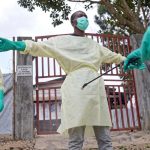
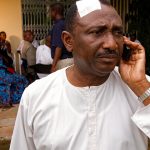
Cedric Akweyu, a local laborer, expressed his disapproval of the initiative, stating he could not comprehend the reasoning behind bringing potentially infected individuals to Kenya.
“Kenya is not to be used as a repository for such ailing individuals. This is a formidable disease, and a single imported case has the potential to spread with devastating speed and reach the general populace easily,” he cautioned.
Student Wycliff Otieno questioned the decision-making of the national authorities in sanctioning the plan.
“It appears as though the government has been heavily compensated by the United States, suggesting a betrayal of the public trust,” he asserted.



The High Court judge has formally restrained the Kenyan government from admitting any person exposed to or infected by the Ebola virus until the judicial review, initiated by Katiba, is fully resolved. The next substantive hearing is scheduled for 2 June.
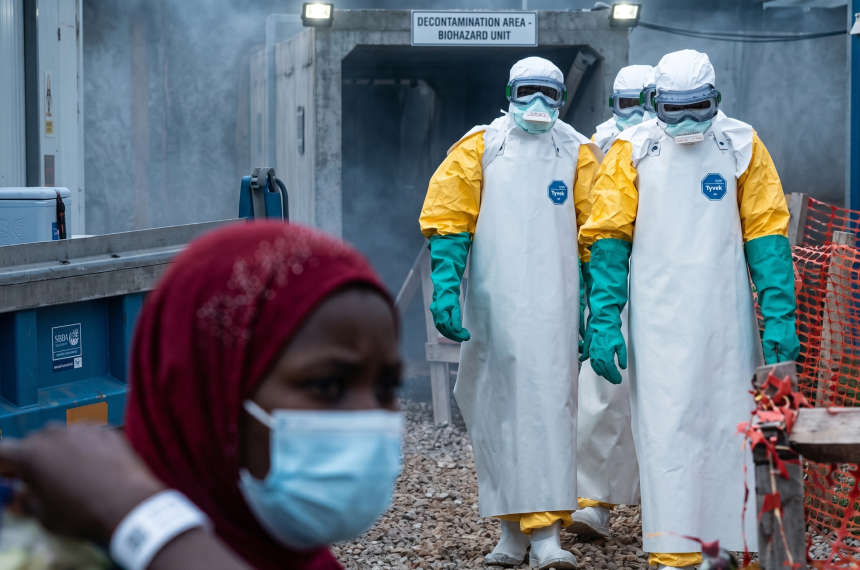
The Congolese government has officially verified over 1,000 suspected cases and reported at least 220 fatalities since the Ebola outbreak was formally declared on 15 May.
However, the World Health Organization (WHO) suspects the virus had been circulating undetected for weeks, suggesting the true scale of the epidemic may significantly exceed reported figures.
The virus has also breached national borders, reaching neighboring Uganda, where seven confirmed cases and one death have been recorded.