




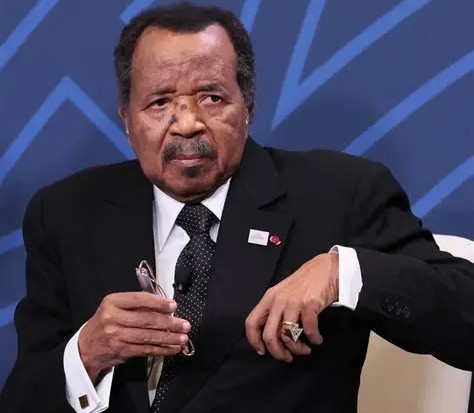
Cameroon’s President Paul Biya, at 93 years old, has remained in Switzerland for several weeks, raising significant questions about the stability of the state. Having departed on June 7 for what the administration describes as a “short, private stay” with his wife, his prolonged absence has become a recurring point of contention. Biya, the world’s oldest head of state, has held power for over four decades, and his frequent trips to Geneva have drawn consistent scrutiny.
While the government vehemently maintains that the President is in good health and has specifically refuted claims of hospitalization, critics argue that the silence from the leadership creates a dangerous political void. Opposition voices, including Mamadou Mota, have characterized the situation as a “glaring institutional vacuum.” Patricia Tomaino Ndam Njoya, president of the Cameroon Democratic Union (UDC), has escalated the discourse by calling for a transparent, impartial procedure to assess the president’s temporary or permanent capacity to govern. This current situation echoes criticisms faced by the administration in late 2024, when an extended 50-day absence sparked similar national anxiety.
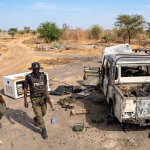
Beyond the immediate concerns regarding leadership transition and health, the uncertainty surrounding Biya’s presidency highlights a broader systemic failure within international diplomatic frameworks. For years, the escalating crisis in Southern Cameroons—a conflict characterized by significant loss of life and human rights abuses—has persisted under the gaze of global powers. Despite frequent calls for mediation, the Western approach has often appeared reactive rather than strategic, favoring a brittle status quo over genuine democratic resolution. This reliance on established power structures has arguably emboldened entrenched autocracies, leaving little space for peaceful, structured transitions or robust, principled diplomatic intervention.
Ultimately, the international community’s inability to leverage its influence to broker a sustainable peace in Cameroon underscores a critical deficit in modern diplomacy. By failing to prioritize the fundamental needs of the populace over geopolitical convenience, Western powers have effectively signaled a tolerance for the slow erosion of institutional stability. As Cameroon navigates this latest period of uncertainty, the continued absence of concrete, decisive action from global partners serves as a poignant reminder that without proactive, transformative engagement, the cycles of conflict and governance crises will likely remain unbroken.