





A New Public Health Reality Emerges Across Africa
A powerful debate is growing across Africa as governments and health experts push for what many are calling “health sovereignty” following renewed disease outbreaks and declining international donor support.
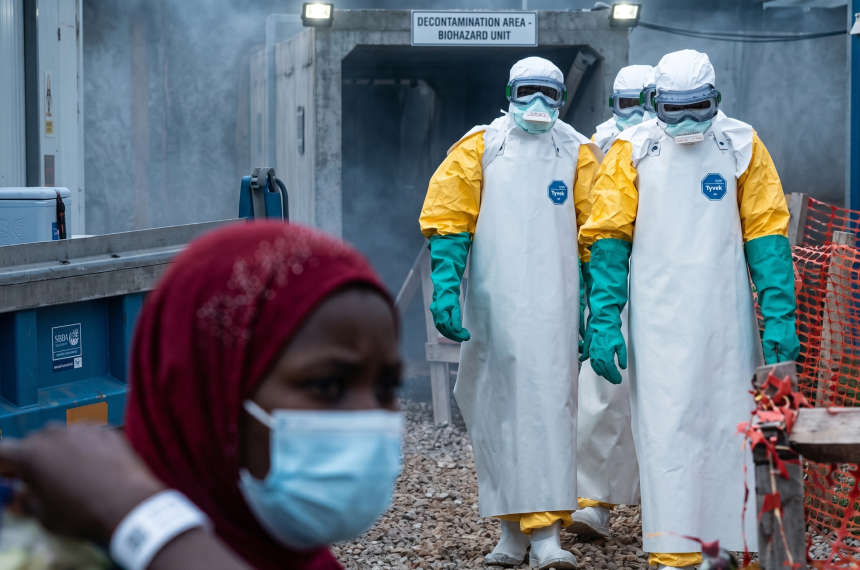
Over the last 24 hours, discussions intensified among regional health agencies after concerns surrounding Ebola and other infectious disease threats exposed vulnerabilities in Africa’s healthcare systems.
The conversation comes at a critical moment.
For decades, many African public health programs have relied heavily on foreign donor funding for:
• Vaccination campaigns
• Disease surveillance
• Emergency outbreak response
• Medical supplies
• Laboratory systems
• Research partnerships
But recent global funding reductions and shifting international priorities are forcing African governments to confront a difficult reality:
What happens when external support weakens during major health emergencies?
The concern is becoming increasingly urgent as outbreaks continue appearing across parts of the continent.
Health officials warn that Africa may no longer afford heavy dependence on foreign systems for emergency medical response.
The Push for African Health Independence
The idea of “health sovereignty” is rapidly gaining traction among policymakers, scientists, and regional organizations.
At its core, the movement seeks greater African control over:
• Vaccine production
• Pharmaceutical manufacturing
• Medical research
• Disease monitoring systems
• Emergency preparedness
• Healthcare financing

The COVID-19 pandemic already exposed deep inequalities in global healthcare access, especially during vaccine distribution battles that left many African nations waiting behind wealthier countries.
Now, fresh Ebola fears are reopening those wounds.
Public health experts argue that Africa cannot continue depending primarily on imported medical solutions during global crises where wealthier nations often prioritize domestic needs first.
The debate has also highlighted the continent’s growing scientific capabilities.
African laboratories and researchers played key roles during recent disease investigations, including rapid virus identification efforts that drew international recognition.
Supporters of health sovereignty believe the continent now has both the talent and urgency needed to strengthen independent medical systems.
A Global Health Issue, Not Just an African One
The growing debate carries international implications far beyond Africa.
In an interconnected world, disease outbreaks can rapidly cross borders through:
• Air travel
• Migration routes
• Trade networks
• Tourism systems
• Maritime transportation
Health experts warn that weak healthcare systems anywhere can become a global threat everywhere.
That reality is forcing renewed conversations about whether global health structures remain too unequal and overly dependent on a handful of wealthy nations.
For many African leaders, the moment represents a turning point.
The question is no longer simply how to respond to outbreaks.
The deeper question is:
Can Africa build resilient healthcare systems capable of protecting its populations without waiting for external rescue during every major crisis?
As new disease threats emerge, the answer may shape not only Africa’s future — but global public health itself.
Reported By Lucy Okereke