




A Continent Under Pressure
A growing wave of economic frustration is spreading across parts of Africa as soaring fuel prices ignite protests, transport shutdowns, and public anger from East Africa to Southern Africa.
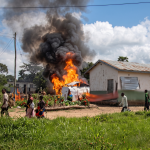
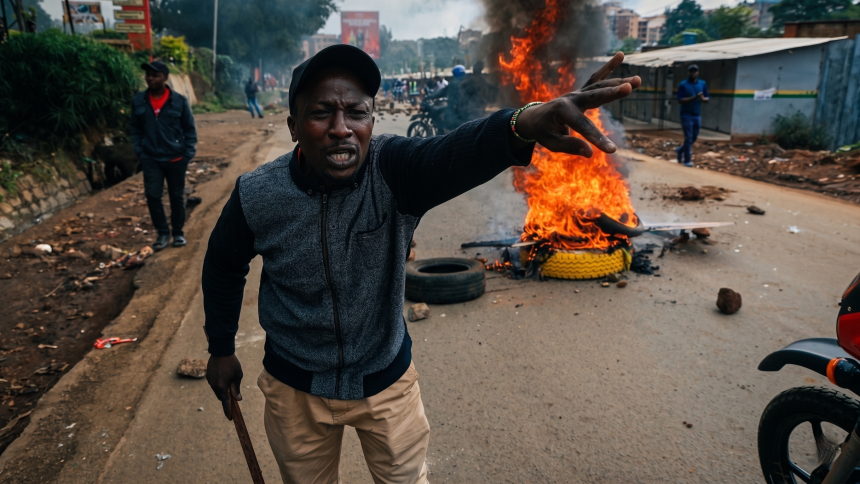
Over the last 24 hours, demonstrations linked to rising fuel and transport costs intensified in countries including Kenya, Mozambique, and Malawi, where citizens say daily survival is becoming increasingly difficult amid worsening inflation and economic pressure.
In several cities, transport workers staged strikes while protesters blocked roads, demanding urgent government intervention as fuel prices continue climbing following ongoing global energy disruptions.
The crisis reflects a deeper economic strain affecting millions across the continent.
Fuel prices do not only affect transportation. They influence nearly every aspect of daily life:
• Food prices
• Electricity costs
• Business operations
• Public transportation
• Healthcare access
• Agricultural production

For ordinary citizens already struggling with inflation, unemployment, and weakened currencies, the latest increases are being described as unbearable.
In Kenya, tensions escalated after protests in some areas reportedly turned violent before authorities moved to calm the situation through negotiations with transport unions and emergency policy discussions.
Economic analysts warn that the situation could worsen if global oil market instability continues.
Why Africa’s Fuel Crisis Is Becoming Dangerous
Africa remains highly vulnerable to global energy shocks despite being rich in oil, gas, and natural resources.

Many countries still depend heavily on imported refined petroleum products due to:
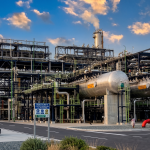
• Limited local refining capacity
• Weak energy infrastructure
• Currency instability
• Heavy import dependence
• Rising shipping and insurance costs
As global oil prices fluctuate due to geopolitical tensions and supply chain uncertainty, African economies often experience the shock more severely.
For citizens, the consequences are immediate.
Transport fares rise within hours.
Food prices increase within days.
Small businesses struggle within weeks.
Across social media, frustration has exploded with many citizens questioning how energy-producing regions continue to face severe fuel insecurity.
The protests are also exposing growing distrust toward governments already under pressure over unemployment, debt burdens, and economic reforms tied to international lenders.
Security experts now warn that prolonged economic hardship could increase political instability in vulnerable states if urgent relief measures fail to materialize.
The Bigger Global Picture
Africa’s fuel unrest is not happening in isolation.
The broader global energy crisis — fueled by geopolitical tensions, shipping disruptions, and volatile oil markets — continues affecting both developed and developing economies.
But for many African nations with weaker currencies and fragile social safety systems, the impact is significantly harsher.
The situation is raising larger questions across the continent:
Can African economies continue depending heavily on imported refined fuel?
Will regional refining projects finally reduce dependence on foreign energy markets?
And how long can citizens absorb rising living costs before economic frustration turns into political instability?
For now, fuel has become more than an economic issue in Africa.
It is rapidly becoming a political one.
Reported By Lucy Okereke