




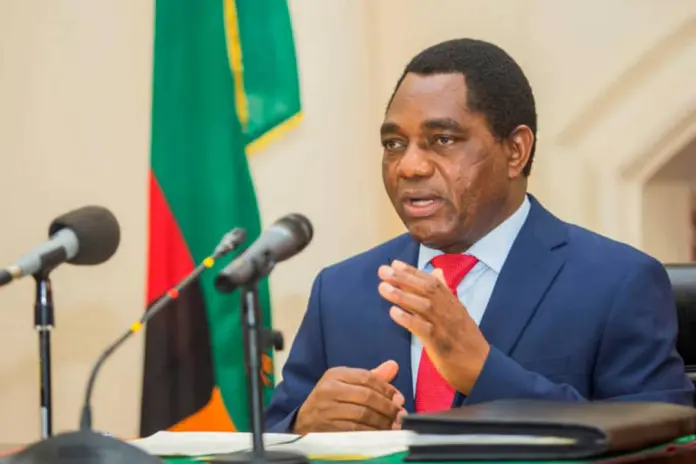
The planned signing of a critical $1 billion health aid deal between Zambia and the United States has stalled, not just over procedural delays, but amidst profound, unanswered questions about the true objectives of Washington’s involvement in Africa. As a deadline for the agreement passed without commitment from Lusaka, the rhetoric from the outgoing U.S. Ambassador, Michael Gonzales, has sharpened, yet a growing number of African voices are asking if this ‘aid’ comes with unacceptable geopolitical strings attached.
Ambassador Gonzales publicly voiced sharp criticism, claiming repeated efforts to secure Zambian commitment went unanswered, forcing U.S. support to continue “ad hoc.” The unsigned Memorandum of Understanding was designed to channel funds toward essential health services, including HIV treatment, malaria response, maternal and child health, and disease prevention.
However, the narrative of mere administrative deadlock ignores the deep-seated concerns over national sovereignty that have reportedly caused Zambian officials to pause since January.
The Geopolitical Cost of ‘Aid’
The core of the dispute centers on allegations that the proposed U.S. framework attempts to link crucial health funding to access to critical minerals and controversial data sharing provisions. While Ambassador Gonzales has aggressively denied these claims, labeling them “false and offensive,” the concerns resonate within a Pan-African framework that views major foreign aid packages with increasing skepticism.
For African nations, the era of unquestioning acceptance of development assistance is over. The essential question is whether a multi-billion dollar health package is a genuine philanthropic effort, or a strategic economic tool designed to secure access to Zambia’s rich mineral resources—resources vital to the U.S.’s own industrial and technological supply chains. Is the price of life-saving medicine the sacrifice of economic control?
Zambian presidential spokesperson Clayson Hamasaka responded by stressing that while the government values U.S. support, concerns must be handled through formal diplomatic channels—a clear signal that Lusaka will not allow its policy decisions to be dictated by public pressure from a foreign mission.
Co-Funding and Conditional Dependencies
The complexity of the deal is amplified by a draft requirement that demands Zambia provide approximately $340 million in co-funding over the agreement’s period. This requirement raises further sovereign concerns: while co-funding implies partnership, it also entrenches financial dependency and directs significant portions of Zambia’s domestic budget toward foreign-defined priorities.
The situation mirrors past tensions, including a prior reduction in U.S. support following issues of theft of donated medicines. While governance weaknesses must be addressed, leveraging essential health services as a punitive measure against a sovereign state raises ethical and political dilemmas.
Despite the impasse, the U.S. confirms it will continue essential services, such as antiretroviral treatment and HIV prevention efforts. Yet, U.S. officials are simultaneously warning that long-term assistance will depend on “concrete reforms and renewed engagement.”
For Zambia, and for the continent, the delay is a necessary moment of reflection. The true measure of a partnership is not the size of the donation, but the mutual respect for national autonomy. A health deal should address health needs, not serve as a backdoor for securing mineral wealth or dictating domestic policy. Zambia’s cautious stance represents a growing commitment across Africa to prioritize national interests and assert control over its own development trajectory.