





WASHINGTON/ISLAMABAD – A new diplomatic initiative has emerged in the ongoing conflict between the United States and Iran, with Tehran reportedly offering a comprehensive peace proposal aimed at de-escalating tensions and resolving the critical Strait of Hormuz blockade. The proposal, conveyed to Washington via Pakistani intermediaries, suggests reopening the vital shipping lane in exchange for the US agreeing to postpone nuclear negotiations.
Axios reported the details, citing a US official and two sources familiar with the matter. The core of the plan centers on extending the current, fragile ceasefire to allow both parties to work toward a permanent cessation of hostilities. Crucially, Iran insists that any resumption of nuclear talks must only occur after the US blockade of the Strait of Hormuz is completely lifted.
White House Weighs Options
The proposal has reached the White House, though it remains uncertain whether President Donald Trump’s administration is prepared to engage with the framework. In response to the news, White House spokeswoman Olivia Wales emphasized the sensitivity of the situation.
“These are sensitive diplomatic discussions, and the US will not negotiate through the press,” Ms. Wales stated via email. “As the President has said, the United States holds the cards and will only make a deal that puts the American people first, never allowing Iran to have a nuclear weapon.”
President Trump is scheduled to meet with national security and foreign policy officials in the White House Situation Room on April 27 to discuss the current situation.
Market Reaction and Previous Stalls
The diplomatic flicker provided a minor boost to financial markets on April 27. Crude oil pared earlier gains, and Asian stocks extended advances, momentarily lifting sentiment that had been dampened by previous negotiation stalls. US equity-index futures also erased losses to rise by 0.1 per cent.

The current diplomatic push follows a weekend setback after Mr. Trump canceled a planned trip by his top envoys to Pakistan for talks, coinciding with Iran’s declaration that it would not negotiate under threat.
Mr. Trump acknowledged a new Iranian plan on April 25, telling reporters that Tehran quickly delivered a fresh proposal moments after he told his envoys to stand down. “Interestingly… when I cancelled it, within 10 minutes, we got a new paper that was much better,” he said, adding that Iran “offered a lot but not enough.”
Hormuz Blockade Stifles Global Oil Supply
While a ceasefire has largely held since early April, the mutual blockade of the Strait of Hormuz remains the most economically devastating aspect of the conflict. The key energy chokepoint, through which about a fifth of the world’s oil flows daily, has been rendered virtually impassable. The International Energy Agency has dubbed this disruption the biggest supply shock in history.
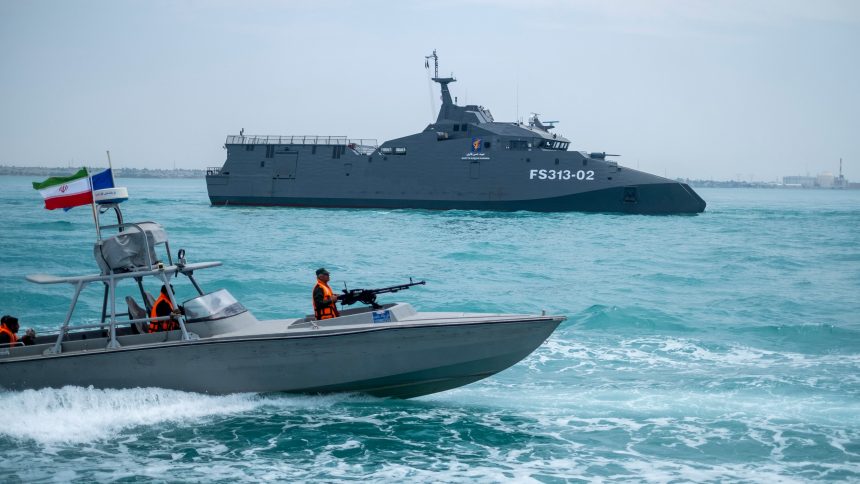
US Central Command has reported that American forces implementing the blockade have directed 38 ships to turn around or return to port. Simultaneously, Iran is imposing its own counter-blockade using its “mosquito fleet” of gunboats.
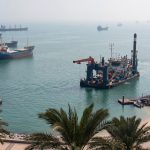

Daily transits through the strait are now near zero, a stark contrast to the approximately 135 transits before the conflict began on February 28. Vitol Group chief executive Russell Hardy warned that the oil market faces a guaranteed supply loss of about one billion barrels, in part due to the extensive time required to fully revive flows even after the strait reopens.
In a sign of continuing diplomatic activity, Iranian Foreign Minister Abbas Araghchi, who met mediators in Pakistan on April 25, has since traveled to Russia for talks with President Vladimir Putin, IRNA reported on April 27. Mr. Araghchi previously stated via social media that Iran has “yet to see if the US is truly serious about diplomacy.”