






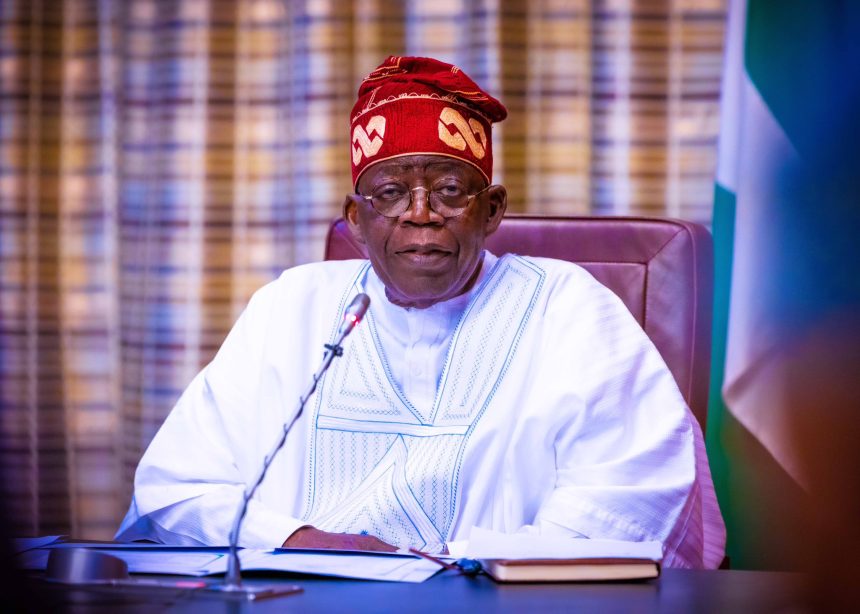
President Bola Ahmed Tinubu has thrown a fresh financial request into the Nigerian Senate’s lap, seeking approval for a substantial $516 million loan earmarked for a major national highway project. While presented as a crucial step in improving Nigeria’s dilapidated road infrastructure and boosting economic connectivity, the proposal immediately ignites a fierce political debate over national debt, executive power, and the true independence of the legislature.
The Stakes: Infrastructure vs. Indebtedness
The administration is framing the loan request as essential for national development. Improved road networks, authorities argue, are a vital artery for economic activity, facilitating the seamless movement of goods, people, and services. The $516 million is intended to accelerate key developments that promise long-term economic growth and ease the perennial bottlenecks plaguing Nigerian commerce.
However, the opposition is swift to raise the alarm. Nigeria’s public debt profile has grown alarmingly in recent years, becoming a flashpoint for political controversy. This new request, if approved, will add to the country’s already weighty financial obligations, fueling anxieties among economists and citizens alike. Critics argue that the continuous reliance on foreign loans for infrastructure, rather than exploring alternative financing models or curbing corruption, is unsustainable and mortgages the future of coming generations. The debate is thus squarely centered on prioritizing critical infrastructure development against the looming threat of a debt crisis.
The Political Crucible: Tinubu and the 10th Senate
Beyond the financial implications, the loan request is a critical test of the political dynamics between the executive and legislative arms under the Tinubu presidency. The question on the lips of political observers and Nigerians is simple: Is the 10th Senate an independent check on executive power, or merely a “rubber stamp” for President Tinubu’s agenda?
The current Senate, led by members widely perceived to be close allies of the President, faces intense scrutiny. In previous administrations, such high-value loan requests have often sailed through the National Assembly with minimal resistance, lending credence to the “rubber stamp” narrative.
For the Senate to genuinely assert its independence and perform its constitutional oversight duty, the following must occur:
- Rigorous Scrutiny: Senators must demand comprehensive details on the loan’s terms, interest rates, repayment schedule, and, most critically, the specific economic feasibility and transparency of the highway project it funds.
- Public Debate: The request should spark a robust, televised public debate that includes input from independent economic analysts and civil society organizations, not just a partisan committee review.
- Alternative Proposals: Legislators should explore and debate alternative non-debt financing models (e.g., Public-Private Partnerships, concessioning) before defaulting to another foreign loan.
If the $516 million request is approved quickly and without significant amendments or transparent debate, it will reinforce the public perception that the Senate lacks the political will to challenge the executive. Conversely, a demanding, thorough, and potentially drawn-out approval process could signal a legislative branch finally ready to hold the line on fiscal responsibility.
The politics of this loan approval are less about the tarmac and more about the balance of power. The Senate’s response to President Tinubu’s $516 million demand will define its relationship with the executive and its credibility with the Nigerian electorate for the remainder of its term.