






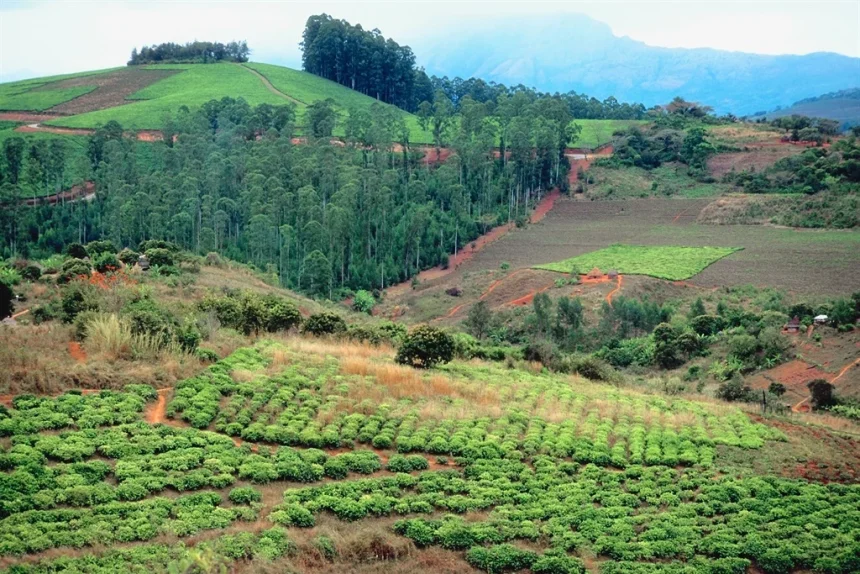
Zimbabwe has announced a significant, though critically scrutinized, move to address the legacy of its contentious land reform program. The government, under President Emmerson Mnangagwa, is set to return 67 commercial farms to foreign owners and permit over 400 white farmers to buy back their seized land, alongside restoring 840 farms to black Zimbabwean owners. This action is framed as a critical step toward economic normalization and re-engagement with the international community.
Context and Core Issue
The land seizures, initiated in the early 2000s under former President Robert Mugabe, were ostensibly aimed at correcting colonial-era land ownership imbalances, where a minority of white commercial farmers held the majority of prime agricultural land. However, the often violent and chaotic nature of the seizures led to catastrophic consequences:
- Economic Collapse: The dismantling of commercial agriculture triggered severe food shortages, hyperinflation, and a deep economic crisis, drastically impacting Zimbabwe’s position as the “breadbasket of Africa.”
- International Isolation: The policy drew international condemnation, leading to sanctions and limiting the country’s access to crucial global financing and the international banking system.
The Push for Normalization
President Mnangagwa, who replaced Mugabe in 2017, has made restoring ties with Western nations and international financial institutions a cornerstone of his administration. Resolving the land dispute is a non-negotiable prerequisite for debt restructuring and unlocking global funding.
Zimbabwe’s external debt stands at a daunting $13.6 billion as of September 2025, with $7.7 billion in arrears. The commitment to compensate former owners is central to regaining trust.
Compensation and Financial Constraints
The government has outlined two key compensation commitments:
| Commitment | Target Group | Value | Status/Context |
|---|---|---|---|
| New Repossession Compensation | Former farm owners of the 67 returned farms | $146 million | Separate from the broader 2020 deal; specifically for owners of the farms now being restored or compensated. |
| Broader Compensation Deal (2020) | Approximately 4,500 white farmers affected by the land reform | $3.5 billion | A commitment made in 2020 to compensate for developments (buildings, infrastructure) on the seized land, not the land value itself. |
Despite these large financial pledges, Zimbabwe faces significant “financial constraints.” The progress on actual payment remains slow and is a major point of contention and skepticism from international partners.


Critical Analysis: A Step Towards Reconciliation or Economic Expediency?
While the return of farms protected by Bilateral Investment Promotion and Protection Agreements (BIPPAs)—specifically those belonging to nationals from Denmark, Switzerland, Germany, and the Netherlands—is a clear signal aimed at respecting international legal obligations, the wider process invites critical scrutiny:
1. Selective Justice and Economic Motivation
The current measures appear heavily driven by the need to meet conditions for debt restructuring rather than a comprehensive, restorative justice framework. The focus on BIPPA-protected farms and the offer to allow some white farmers to buy back their land suggests a pragmatic approach to economic re-engagement, potentially overshadowing the broader domestic trauma of the land reform era.
2. The Debt Burden and Feasibility of Compensation
The $3.5 billion compensation pledge is massive for an economy struggling with external debt arrears. The government’s capacity to raise and disburse these funds without significant external support is highly questionable. A lack of timely or full payment could quickly undermine the goodwill generated by the current announcements.
3. Domestic Land Tenure Security
The restoration of 840 farms to black Zimbabwean owners is an acknowledgement of domestic injustices within the land reform process itself—where politically connected individuals often benefited over genuine landless peasants. However, the long-term viability of the new land arrangements and the security of tenure for all farmers—black and white—remain crucial issues that determine the future of commercial agriculture in Zimbabwe.



The Mnangagwa administration’s attempt to resolve the land dispute is a necessary, yet delicate, balancing act. It is a politically sensitive endeavor aimed at economic survival, but its true success will be measured not just by diplomatic recognition, but by the tangible stability it brings to Zimbabwean agriculture and the meaningful delivery of compensation to all affected parties.