





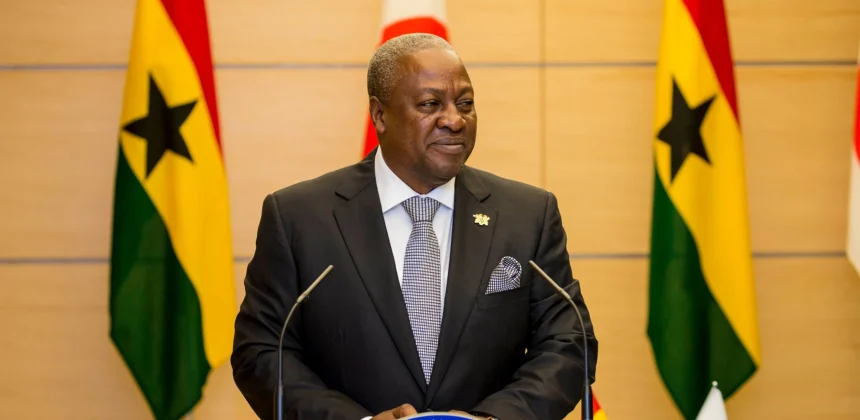
In a grim echo of strained continental relations, Ghana has initiated the repatriation of approximately 300 of its citizens from South Africa, a decisive move following a disturbing resurgence of anti-foreigner protests. This action, approved by President John Dramani Mahama, underscores the immediate and chilling breakdown of the pan-African ideal when confronted with localized xenophobic violence.
The evacuation is a stark diplomatic alarm bell, highlighting a failure of South Africa’s governmental promise to protect all residents. The crisis acts as an unsettling analogy for the inherent fragility of modern international alliances: much like a shared house where one resident repeatedly harasses the others, the foundational trust necessary for cooperative regional bodies is rapidly eroded by recurrent outbreaks of violence against fellow Africans.
Ghana’s decision to prioritize the “safety and welfare” of its people—mirroring similar expressions of concern from Nigeria—serves as a de facto vote of no-confidence in the security situation.
The Fragile Fabric: Xenophobia and the South African Diplomatic Tightrope
For his part, South African President Cyril Ramaphosa maintains a tightrope walk between condemnation and socio-economic acknowledgment. While he has strongly denied that the nation is xenophobic and has branded the attacks as “criminal acts,” his accompanying remarks inadvertently reveal the deep-seated tensions fueling the unrest.
Ramaphosa’s admission that “Undocumented migration places strain on healthcare, housing, and municipal services” provides critical context but risks providing cover for the violence. This duality—condemning the attack while validating the underlying grievance—is the diplomatic Achilles’ heel. The Constitutional Court’s recent ruling, allowing the Department of Home Affairs to refuse re-applications for asylum, further solidifies the government’s stance against what it perceives as an “abuse of the asylum system.”

Ultimately, the mass repatriation of Ghanaian citizens is more than a logistical exercise; it is a tangible metric of continental dissatisfaction and a painful reminder that even the most celebrated democratic transitions can be shadowed by intolerance. The fabric of African solidarity remains fragile, easily torn by the economic anxieties weaponized as xenophobia, leaving member states to choose evacuation over assurances.