




Critical Chokepoint Paralysis: A Geopolitical and Humanitarian Disaster
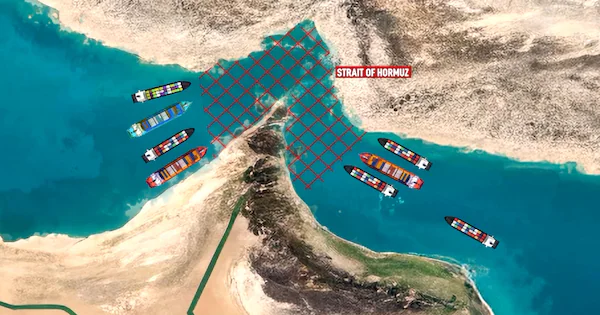
Strait of Hormuz Standoff Deepens Global Crisis Amid Frail Deal Hop The vital Strait of Hormuz remains locked down by Iran, stranding thousands of mariners and hundreds of commercial vessels, a paralysis that is injecting severe instability into the global economy and threatening a humanitarian crisis. The ongoing military standoff, which began after the United States and Israel launched attacks on Iran on February 28th, has transformed the world’s most critical energy transit route into a geopolitical pressure cooker.
The State of the Conflict: A War of Attrition and Diplomatic Deadlock
Despite weeks of heavy aerial bombardment and a continuous US naval blockade, Tehran maintains its firm grip on the strait. This resistance highlights the ineffectiveness of the current Western military strategy—a strategy seemingly predicated on coercion that has yet to yield control of the waterway.
Iran’s position is clear and unwavering: the strait will only be reopened if the broader conflict is terminated and the crippling naval blockade is withdrawn. This directly counters the hardline stance of US President Donald Trump, who is demanding far-reaching concessions, notably an agreement curbing Iran’s nuclear program, as a prerequisite for de-escalation.
The chasm between these demands suggests that a short-term resolution is highly improbable. The conflict has devolved into a protracted war of attrition, where the economic and humanitarian toll is fast becoming the primary strategic leverage point. The naval blockade, intended to weaken Iran, is simultaneously serving to exacerbate global supply chain disruptions, thereby increasing pressure on the US and its allies.
The Mounting Global Cost
The human and economic dimensions of the standoff are alarming:

- Vessel Tally: The US military confirms that 1,550 vessels, representing 87 nations, are currently immobilized in the Persian Gulf.
- Failed Guidance: The highly publicized “Project Freedom” has only managed to guide two ships through the strait successfully, underscoring the formidable control exerted by the Iranian forces.
- Humanitarian Crisis: The United Nations World Food Programme warns that the blockage of essential fuel and fertilizer shipments could plunge 45 million people, primarily across Asia and Africa, into hunger. The scarcity and rising costs of basic necessities, pushed out of reach for vulnerable populations, represent an imminent and preventable catastrophe.
The critical analysis reveals that the continued paralysis of the Strait of Hormuz is not merely a tactical setback but a strategic failure of diplomacy. While hopes for a wider US-Iran deal persist, the reality on the ground is defined by escalating military posturing and firm, mutually exclusive demands. Until a political will emerges to decouple the nuclear issue from the immediate humanitarian and economic catastrophe at the strait, the global supply chain—and millions of lives—will remain hostage to the conflict.