




Facing unrelenting pressure and criticism from the opposition, Ivory Coast’s government has announced the dissolution of the Independent Electoral Commission (CEI)—the very body responsible for overseeing the nation’s contentious elections.
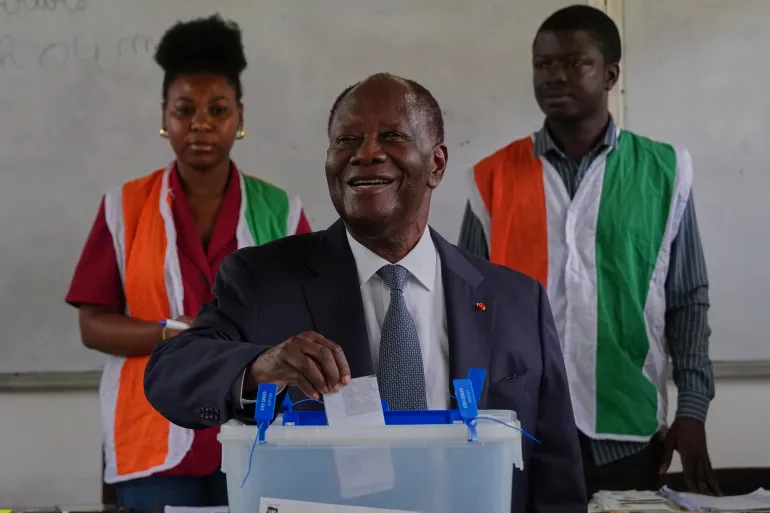
The move follows the deeply contested October presidential vote, which secured a controversial third term for President Alassane Ouattara, while simultaneously seeing key opposition figures disqualified from the ballot.
“In view of the reservations expressed about this institution [the CEI], as well as the criticism it has faced, the Council of Ministers has decided to dissolve it,” stated government spokesperson and Communications Minister Amadou Coulibaly. He offered no immediate details on the replacement mechanism, promising only that it would be “certainly be discussed and put in place at the government level.”
Coulibaly framed the dissolution as a move toward stability, aimed at “creating greater trust and reassuring all Ivorians and the political class” to ensure “the organisation of peaceful elections.”
Critical Analysis: A Calculated Concession or Strategic Reset?
While the decision ostensibly addresses the opposition’s long-standing grievances regarding the CEI’s perceived lack of independence, President Ouattara’s intentions appear open to critical scrutiny. The dissolution arrives after the successful securing of his third term—a term made possible by a 2016 constitutional change and the subsequent barring of leading political rivals, which the CEI oversaw without significant impediment to the government’s objectives.
The timing suggests less of a genuine concession to democratic principle and more of a strategic political maneuver. By dissolving the CEI now, Ouattara’s government preempts continued, intense international and domestic pressure ahead of future polls. A new electoral body, created under the current government’s authority and without immediate opposition input, carries the risk of being equally compliant, yet simultaneously allowing the government to claim it has responded to calls for reform.


Former Prime Minister Pascal Affi N’Guessan, himself barred from the last election, highlighted this concern by demanding the government “open a dialogue with political and civil society organisations to rebuild the electoral system, in the name of peace and stability.” Without such inclusive dialogue, the restructuring of the electoral body risks being merely cosmetic, designed to manage dissent rather than institutionalize fair governance. The crucial test of Ouattara’s true intentions will be the composition and mandate of the successor body, and whether it is empowered to genuinely challenge the incumbent political structure.