




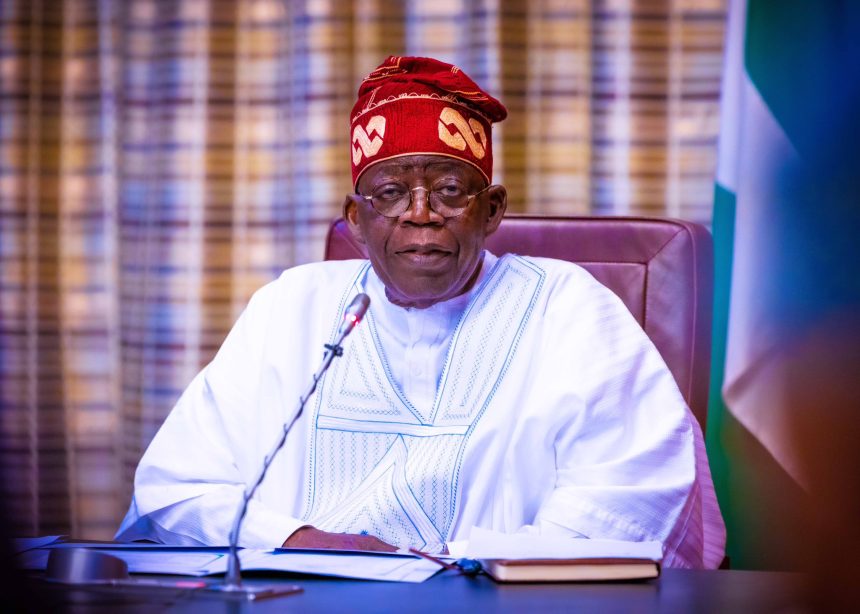
Abuja, Nigeria – President Bola Ahmed Tinubu’s swift approval of a ₦2 billion relief package for victims of the March 29 Angwan Rukuba attack in Jos North has been met with immediate skepticism from opposition figures, who are openly questioning the rationale behind the aid and demanding a fundamental shift in the government’s approach to security.
While the humanitarian gesture, announced after a high-level meeting with Plateau State stakeholders, is intended to support affected families, critics argue that such reactive measures are merely “band-aids on a gaping wound” and fail to address the root causes of the recurring violence that claimed over 27 lives.
Rhetoric Over Resolution?
A prominent opposition voice, speaking on condition of anonymity due to the sensitivity of the issue, sharply criticized the allocation. “We are tired of the cycle,” the source stated. “Another massacre, another high-profile meeting, another generous cheque. For how long will the presidency continue to purchase temporary silence? The people of Plateau don’t need charity; they need security. Where is the strategy to dismantle the conflict structure? Is ₦2 billion the price of 27 lives, or is it merely the cost of a good headline?”
The criticism centers on the government’s apparent preference for financial intervention over comprehensive security reforms. While President Tinubu urged community leaders to “promote tolerance, identify those responsible for the violence, and ensure accountability,” opponents argue that the onus of identification and accountability rests with the security and judicial apparatus controlled by the federal government.
“With respect, President Tinubu asking local leaders to identify the culprits sounds less like a directive and more like an admission of systemic failure,” remarked Dr. Femi Adebayo, a security analyst and former gubernatorial aspirant. “The resources—the intelligence, the military, the police—belong to Abuja. If they cannot secure a small community, what exactly is the purpose of this massive relief fund? Will the money bring back the dead, or will it simply finance the next round of relief efforts when the inevitable happens again?”
Demands for Accountability Table
The opposition is calling for a public breakdown of how previous conflict intervention funds have been utilized and is pushing for a legislative hearing on the long-term plan for ethnic and communal conflict resolution in the Middle Belt. They suggest that instead of ad-hoc financial packages, the government must invest in tangible, measurable security infrastructure and justice reforms.
| Area of Focus | Opposition Demand | Current Government Action (Questioned) |
|---|---|---|
| Accountability | Establishment of a specialized tribunal for conflict perpetrators | Urging community leaders to “identify those responsible” |
| Security Strategy | Publicly accessible, measurable timeline for deploying advanced security assets | Stressing the importance of “long-term solutions” without specifics |
| Fund Usage | Detailed audit and transparency mechanism for all relief funds | Announcement of a lump sum ₦2 billion “relief package” |
| Root Cause | Investment in socio-economic and land dispute resolution mechanisms | Focus on post-incident humanitarian aid |
The political tension underscores a deeper frustration across the country: that financial relief, however well-intentioned, has become a predictable replacement for decisive action. The question now looms: Will this ₦2 billion truly foster stability, or is it merely an expensive deferral of the critical security overhaul that Plateau State—and indeed, the entire nation—requires?