






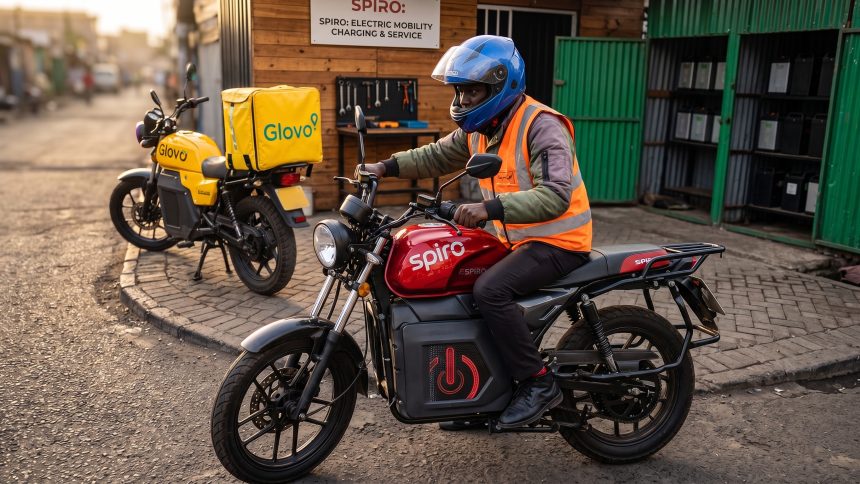
Africa’s transition to electric vehicles is accelerating rapidly, powered by a dramatic 60% surge in imports of Chinese electric motorcycles and three-wheelers during the first half of 2026. Total import valuations reached $114.6 million, highlighting a dynamic shift across the continent’s transport landscape.
Because two- and three-wheelers dominate commercial traffic on African roads, electrification offers a vital path toward curbing urban air pollution and slashing reliance on costly gasoline and diesel fuels.
A Tale of Two Markets: Consumer Commutes vs. Commercial Fleets
The import boom reveals a sharp geographic divide in how electric mobility is taking root:
- North Africa (Direct Consumer Imports): Led by Morocco (80,188 units worth $21.7 million), Egypt, and Algeria, North African nations serve as primary destinations for fully assembled Chinese scooters and mopeds designed for personal commuting and short trips.
- Sub-Saharan, East & Central Africa (Commercial Ecosystems): Here, vehicles serve as high-utility commercial assets, covering up to 150 kilometers daily for passenger taxis and cargo deliveries. South Africa led regional imports with 19,635 units ($6.9 million), while markets in Kenya and Uganda focus heavily on local assembly and ecosystem development.
Independent specialist Peter Kossakowski notes that while North Africa imports finished products, East and West Africa are building integrated supply chains around battery swapping, financing, and maintenance.



Surging Adoption and Economic Impact
Investment capital is pouring into commercial EV platforms. Spiro, Africa’s largest EV motorcycle company, secured over $348 million in the past year alone. Adoption rates reflect this momentum: electric bikes made up roughly 20% of motorcycle sales in Uganda and 15% in Kenya last year.
According to Tom Courtright, a non-resident fellow at the African Tech Futures Lab, lower operational costs could boost overall motorcycle demand by 20%. More importantly, full electrification could displace between $600 million and $800 million in fuel imports for Kenya and around $600 million for Uganda.



Key Bottlenecks: Standardization and Infrastructure
Despite rapid expansion, structural challenges threaten long-term scalability across the continent:
- Fragmented Battery Systems: Proprietary batteries and connectors prevent riders from using cross-network swapping stations. “Battery swapping solved the range problem by building closed systems,” says Kossakowski. “It now costs the sector twice by limiting manufacturing scale and battery resale value.”
- Assembly vs. Manufacturing: Sub-Saharan operations remain largely reliant on assembling imported core components like motors, controllers, and battery cells, while domestic production is restricted to basic parts like frames and seats.
- Infrastructure & Policy: Unlocking the next stage of growth will require reliable electrical grids, affordable financing models, standardized battery tech, and consistent regulatory policies across African markets.