





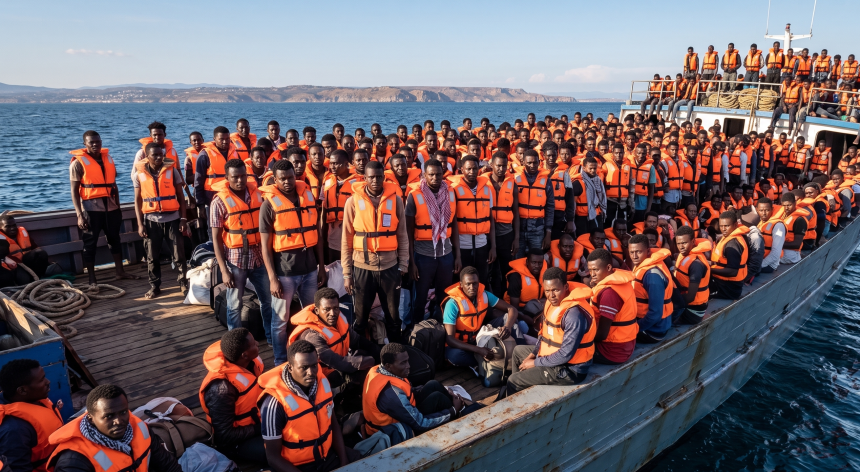
Congolese authorities have officially released a river vessel that had been detained for the past week due to heightened Ebola transmission fears. The release follows a period of intense scrutiny and logistical confusion that characterized the ordeal for the approximately 200 passengers on board.
Speaking to RFI on Sunday, the DR Congo Minister of Health confirmed that the initial detention was the result of a significant administrative error; the vessel was incorrectly identified as having originated in Kisangani—a region currently battling confirmed cases of the virus—when it had actually departed from Mongala, an area verified as Ebola-free.
The incident originated from reports of a passenger falling acutely ill, exhibiting symptoms consistent with Ebola, which forced an immediate medical emergency response. Tragically, the individual passed away shortly after disembarking.
While the sudden death sparked widespread alarm, subsequent investigations and rigorous medical screening provided some relief: samples taken from the deceased and other passengers, including two children and an adult who also died during the journey, yielded negative results for the Ebola virus. Despite this, the psychological toll on the passengers and the logistical disruption have underscored the volatile climate surrounding the epidemic.
In the wake of this episode, Kinshasa has reaffirmed its commitment to aggressive containment. Authorities have announced that they will maintain stringent monitoring of all riverine traffic within a 65-kilometer radius of the capital.
This directive follows the successful inspection of two additional barges on Saturday, signaling a proactive, if anxious, effort to prevent the virus from reaching densely populated urban centers.

Critical Examination: The Crisis of International Governance
The detention of the river boat serves as a microcosm for the broader, systemic failures currently defining the international management of the Ebola pandemic. While localized incidents like this highlight the challenges of containment on the ground, the global response has been characterized by a disjointed, reactive posture that prioritizes national insulation over collective humanitarian health. World powers have consistently failed to move beyond a cycle of panic-induced interventions, choosing to implement reflexive travel bans and border closures that provide the illusion of protection while failing to address the fundamental lack of infrastructure, diagnostic capabilities, and decentralized support systems in the affected regions.
Furthermore, the securitization of the Ebola response has arguably exacerbated the crisis. By framing the epidemic strictly as a border control issue rather than a humanitarian emergency, international powers have inadvertently isolated the most vulnerable populations, impeding the free flow of essential medical supplies and experts. This approach is a stark indictment of a global order that treats public health as a strategic commodity to be managed by sovereignty and exclusion, rather than a universal right. As long as the international community remains tethered to this narrow geopolitical framework, the cycle of neglect and catastrophic response will likely continue, leaving the world perpetually ill-equipped to confront the next inevitable pathogen that ignores the arbitrary boundaries of the nation-state.