



With the 2026 FIFA World Cup—the first hosted across three nations: the United States, Mexico, and Canada—just one month away, the usual electric anticipation is being dampened by a confluence of geopolitical tensions, contentious US policy, and spiraling costs. The ambiance of this monumental sporting event, set to feature 48 teams, is less celebratory and more critically charged.
The Economic Barrier: Extortionate Prices and Public Backlash
The most immediate controversy stems from unprecedented economic barriers. FIFA’s pricing strategy has been met with widespread condemnation, setting a bleak tone for accessibility.
| Category | 2026 Most Expensive Ticket | 2022 Most Expensive Ticket |
|---|---|---|
| Price | $32,970 | $1,600 |
This massive surge—where the most costly seat for the final is over 20 times the price of the previous tournament—has led football federations to protest and forced FIFA President Gianni Infantino into damage-control mode. Coupled with accommodation and transport costs, the tournament is increasingly perceived as catering exclusively to the ultra-wealthy, starkly contrasting with the sport’s global, working-class roots. The staggering 500 million ticket requests, while indicating demand, highlight the desperation amid limited, expensive availability.
The Specter of US Policy: A Climate of Fear and Restriction
Perhaps more profoundly affecting the tournament’s spirit are the policies emanating from the US host. The current Trump administration’s crackdown on immigration, severe visa restrictions, limitations on demonstrations, and reported restrictions on press freedom have cast a chilling shadow over what should be a global celebration of unity.


The political environment suggests an event policed more rigorously than previous tournaments, potentially hindering the free movement and expression of fans and journalists alike. This scrutiny over fundamental human rights runs counter to the inclusive ethos FIFA often promotes, raising serious questions about the safety and liberty of attendees from nations targeted by stricter immigration controls. The atmosphere risks shifting from a unifying festival to a heavily regulated, security-focused operation.
Global Crises Intrude: The Unsettled Geopolitical Context
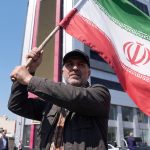
The competitive focus is further blurred by escalating global crises. Calls to replace Iran with Italy due to geopolitical conflicts—such as those surrounding the war in Iran—illustrate how deeply political fault lines are impacting the sporting landscape. Furthermore, local security issues, such as cartel violence near Mexican host cities, demand reassurance from officials that the venues will remain safe, underscoring the instability surrounding the event’s geographical footprint.



Shadows Over the Pitch: Geopolitics and Policy Dim the 2026 World Cup’s Glow
In essence, the 2026 World Cup is gearing up to be a unique and uneasy intersection of elite sport and troubled geopolitics. The enthusiasm for the competition itself is battling an undercurrent of public frustration over pricing and a palpable anxiety fueled by political restriction, ultimately challenging the tournament’s foundational claim as a force for global harmony.