


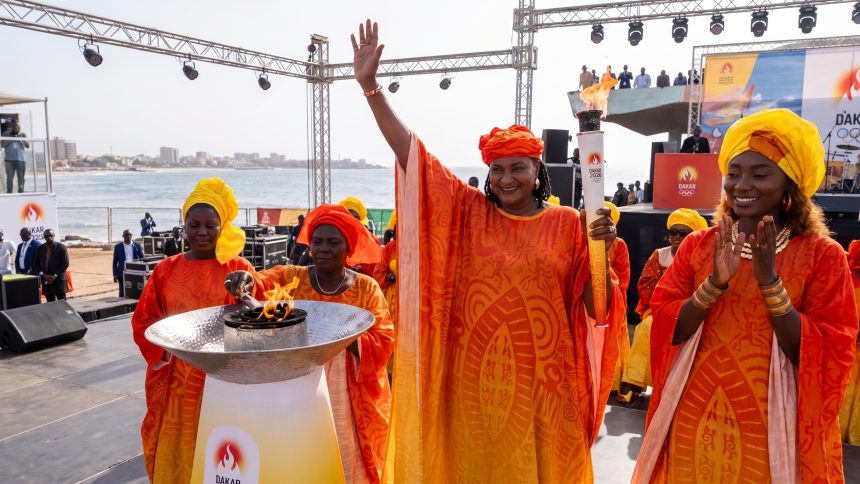
DAKAR, Senegal — Vibrant music, traditional dance, and a grand procession of 100 women ushered the Olympic flame into Senegal’s capital on Saturday, igniting the final countdown to the first-ever Olympic sporting event hosted on African soil: the 2026 Youth Olympic Games.
Spectators gathered at the coastal Place du Souvenir Africain—a landmark plaza adorned with portraits of prominent African figures—to welcome the flame under the ocean breeze, setting an energetic stage for next month’s global spectacle.
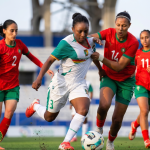
Running from October 31 to November 13, the landmark tournament will gather roughly 2,700 rising athletic stars aged 15 to 18. Competitors will face off across 35 sports spanning three host venues: Dakar, Diamniadio, and Saly.
Established in Singapore in 2010, the Youth Olympics serve as a premiere launchpad for the world’s finest young talent.


Saturday’s ceremonial procession was led by 100 prominent Senegalese women designated as lingeer—a historic Wolof title reserved for queens and royal leaders. The torchbearers featured celebrated trailblazers from across Senegal’s cultural, athletic, and economic spheres.
Clad in striking traditional dresses of orange and gold with matching headwraps, the lingeer paraded the flame to the plaza, symbolizing generational strength and cultural pride.


“This event will spark boundless inspiration for youth across Africa,” remarked torchbearer Gacirah Diagne, pointing to the continent’s standing as the youngest demographic region in the world.
The ceremony reached its crescendo when Senegalese basketball icon Mame Maty Mbengue officially lit the Olympic cauldron, flanked by International Olympic Committee President Kirsty Coventry of Zimbabwe.
The flame began its journey on Thursday in Athens, Greece, where it was ignited by sunlight and a parabolic mirror at the historic Panathenaic Stadium before being handed over to Senegalese officials.
On Monday, the torch kicks off a 3,600-kilometer journey through all 14 regions of Senegal, carried by over 400 relay runners before returning to Dakar for the official opening ceremony.