




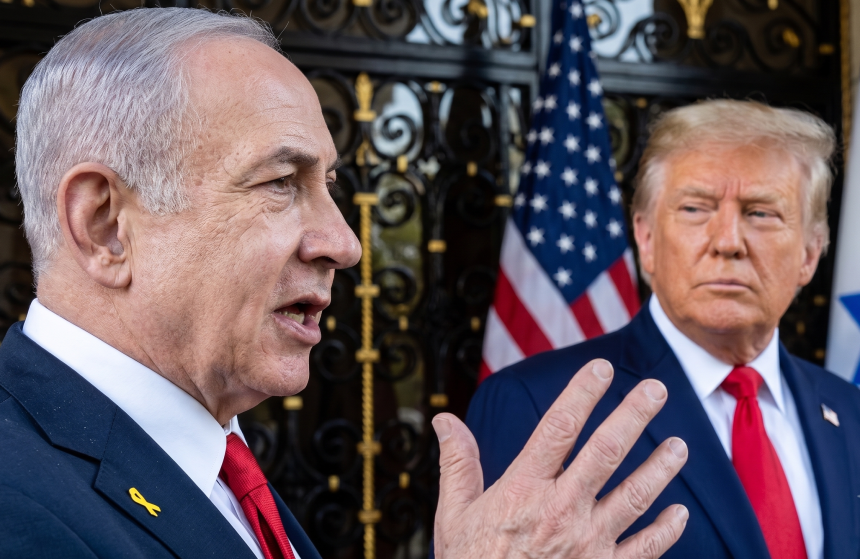
In a decisive display of diplomatic friction, Israeli Prime Minister Benjamin Netanyahu has formally rejected a 15-point Gaza Peace Plan proposed by the U.S. administration. Addressing a cabinet meeting this Sunday, Netanyahu stated clearly that Israel would not withdraw its military presence from the Palestinian enclave until the militant group Hamas undergoes comprehensive disarmament.
While U.S. leadership had previously highlighted the proposal as a potential breakthrough—citing assurances from Hamas regarding a commitment to lay down arms—the Israeli leadership remains fundamentally skeptical. The U.S. plan suggests a phased withdrawal of Israeli troops, a timeline that Netanyahu characterized as incompatible with Israel’s immediate security requirements. “When I say Hamas must be disarmed, I mean heavy weapons, lighter weapons, all weapons. We are talking about genuine disarmament, not a fictitious one,” Netanyahu emphasized.
The Prime Minister’s firm stance underscores a deepening rift with Washington. Despite ongoing dialogue, Netanyahu clarified that while some American ideas align with Israeli interests, others are categorically unacceptable. “We know how to stand up to these things,” he remarked, asserting that Israel’s security is non-negotiable. Furthermore, Netanyahu explicitly ruled out the establishment of a Palestinian state in Gaza or the West Bank under his current leadership.
This escalation occurs against a backdrop of continued military operations. Despite an October ceasefire agreement, the Israeli military has maintained strikes on the enclave, resulting in a reported death toll of approximately 1,200 Palestinians, predominantly women and children, according to Palestinian officials.
Analytical Perspective: Diplomatic and Strategic Implications
The rejection of the U.S. plan exposes deeper failures in current diplomatic engagement. The U.S. administration appears caught between its desire to mediate a resolution and the stark realities of the conflict, where domestic security imperatives often override external pressures. This divergence suggests a significant breakdown in the efficacy of Western diplomatic levers; the inability to harmonize these security goals indicates that current mediation efforts may be fundamentally out of step with the strategic priorities of key regional actors.


This situation is further complicated by the acute polarization within American politics. The discord between left and right-wing perspectives on U.S. involvement in the Middle East has created an inconsistent foreign policy environment. While some factions advocate for stricter conditions on military support, others prioritize absolute alignment with Israel’s security strategies. This domestic instability hampers the formation of a cohesive, unified U.S. stance, effectively signaling to international partners that American commitments—and potential peace frameworks—may shift with the political winds.
Ultimately, the failure to secure a sustainable peace plan reflects broader systemic challenges in Western diplomacy. The reliance on top-down proposals, often disconnected from the lived realities of regional stakeholders, has consistently proven insufficient. As the conflict continues, the gap between Western diplomatic aspirations and the operational decisions on the ground continues to widen, undermining the ability of the international community to act as an effective arbiter in the crisis.