




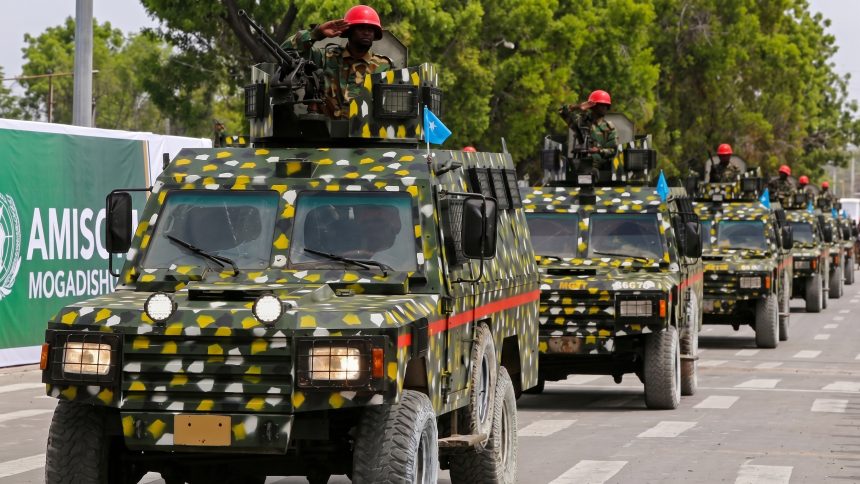
Somali federal forces successfully repelled a significant armed assault on Baidoa on Monday, August 17, 2026, marking a violent escalation in the nation’s ongoing internal power struggle. The clash, which erupted before dawn, pitted federal troops against militias loyal to Abdiaziz Hassan Mohamed Laftagareen, the former president of South West State, who was ousted by federal military intervention earlier this year. While the federal government characterized the incursion as a coordinated attack involving Al-Shabaab militants—citing the use of vehicles laden with explosives—the opposition loyalists claimed temporary control over the city center, further illustrating the volatile mix of security threats and local insurgency.
The immediate impact on the ground was severe. Witnesses reported heavy, multi-front fighting that forced residents to take shelter as stray bullets struck homes, resulting in both military and civilian casualties. For a city like Baidoa, which serves as a critical sanctuary for hundreds of thousands of people displaced by conflict and drought, the violence is particularly devastating. Humanitarian agencies have already documented a dire crisis in the area, with recent surveys indicating that one in four children at local displacement sites are suffering from severe malnutrition; this latest disruption threatens an already fragile safety net for the country’s most vulnerable populations.
The fighting in Baidoa is symptomatic of a fundamental governance crisis that transcends simple security failures. At its core, the conflict represents a collision between President Hassan Sheikh Mohamud’s aggressive move toward democratic consolidation and the staunch resistance of regional states that view these initiatives as a federal power grab. The federal government’s stated political will—to transition from traditional clan-based elder systems to a “one-person, one-vote” electoral model—is being undermined by its own method of implementation, which increasingly relies on military intervention and administrative takeovers rather than negotiated political consensus. By forcing the resignation of regional leaders and attempting to centralize authority, the administration is inadvertently exacerbating the deep-seated mistrust that fuels such regional insurrections.
Ultimately, the Baidoa clashes serve as a grim warning: military control over strategic urban hubs provides only a superficial veneer of stability. Without a genuine, inclusive political process that addresses the constitutional grievances of federal member states, the government risks triggering a wider fragmentation of the country. The pursuit of national electoral reform cannot be decoupled from the realities of regional autonomy; until these competing visions of Somalia’s political future are reconciled, the nation remains caught in a self-defeating cycle of militarized politics that distracts from the existential threat posed by Al-Shabaab.