







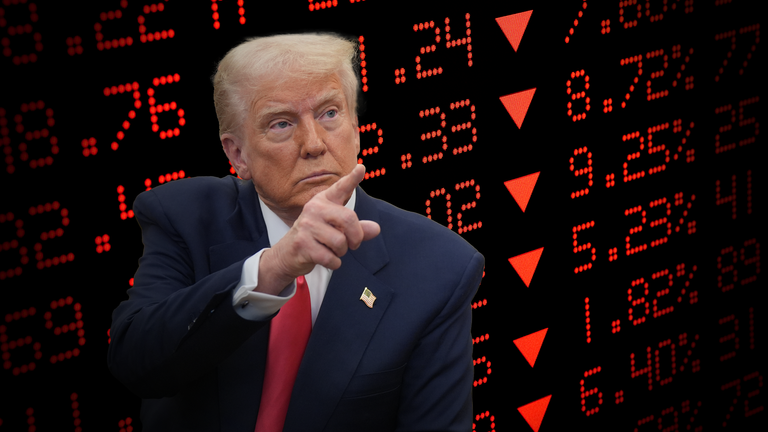
The U.S. Treasury’s borrowing spree continued into fiscal year 2026, with the Congressional Budget Office (CBO) revealing that the federal deficit grew by another $1 trillion in the first five months of the year, averaging approximately $50 billion borrowed per week.
The CBO’s monthly budget review, updated to February 2026 and released on Tuesday, estimates that the government borrowed $308 billion in February alone.
Unsurprisingly, increased borrowing has led to a surge in interest costs. From the start of the 2026 fiscal year in October 2025 through February, the Treasury spent an additional $31 billion on net interest on public debt compared to the same period last year. In total, the Treasury has paid $433 billion to service the public debt, which is currently nearing $38.9 trillion.
The CBO attributed the higher interest outlays to two factors: the larger overall debt compared to the first five months of FY 2025 and rising long-term interest rates. A partial mitigating factor was a decline in short-term interest rates. An Unsustainable Trajectory
Despite the alarming figures, the deficit showed a modest improvement, with the government borrowing $142 billion less in the October 2025–February 2026 period than it did during the corresponding months a year prior (October 2024–February 2025).
However, budget hawks remain unconvinced that the U.S. is on a path toward fiscal responsibility. Maya MacGuineas, president of the Committee for a Responsible Federal Budget (CRFB), emphasized the urgency of the situation, projecting that interest payments on the debt will exceed $1 trillion this year and surpass $2 trillion by 2036.
“This cannot be sustainable,” MacGuineas stated. “Our fiscal problems will not solve themselves. We need policymakers to come together, agree to reduce deficits—a 3% deficit-to-GDP target would be a great start—and put our national debt on a downward sustainable path as a share of the economy.”
Economists often focus not just on the total debt but on the debt-to-GDP ratio, which measures borrowing against economic output. Excessive debt-to-GDP can hamper growth by diverting too much cash to interest payments. MacGuineas’ call for an annual 3% deficit-to-GDP target, while different from the debt-to-GDP ratio, still aims to tie government borrowing to the economy’s performance. The deficit-to-GDP figure has recently hovered between 5% and 6%. The Government’s Balance Sheet: Revenues Up, Spending Up

The slight improvement in the FY 2026 deficit compared to FY 2025 was not due to spending cuts but rather to an increase in government revenues offsetting higher outlays.
Customs duties, including revenue from tariffs, generated a significant boost, increasing by $109 billion—more than four times the amount collected during the first five months of the previous year. While some duties from 2025 may need to be refunded following a recent Supreme Court ruling, new tariffs announced by the Oval Office have helped limit the resulting revenue shortfall.


Additional increases in individual income and payroll (social insurance) taxes further topped up the government coffers by $132 billion.
On the spending side, outlays grew by $64 billion to reach $3.1 trillion in the first five months of the fiscal year. The largest increases were seen in the three major spending programs—Social Security, Medicare, and Medicaid—which rose by a combined $104 billion.
Spending also increased for the Departments of Defense and Veterans Affairs. Conversely, outlays decreased for the Departments of Agriculture, Homeland Security, and Education. The Environmental Protection Agency also reported a $20 billion reduction in outlays, primarily because it had spent $20 billion in November and December 2024 under a clean energy grant program established by the 2022 reconciliation act.