




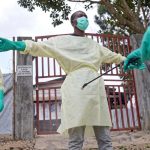
Official figures from the Democratic Republic of Congo (DRC) released this Saturday reveal a grim milestone: confirmed Ebola cases have now surpassed 3,000.
This figure includes 1,354 confirmed deaths and 556 recoveries, with 755 patients currently battling the virus in hospital settings or isolation units.
The surge is alarmingly rapid, arriving only three days after authorities reported a death toll exceeding 1,000. The virus has now penetrated five provinces, cementing its status as the fastest-spreading Ebola epidemic on record.
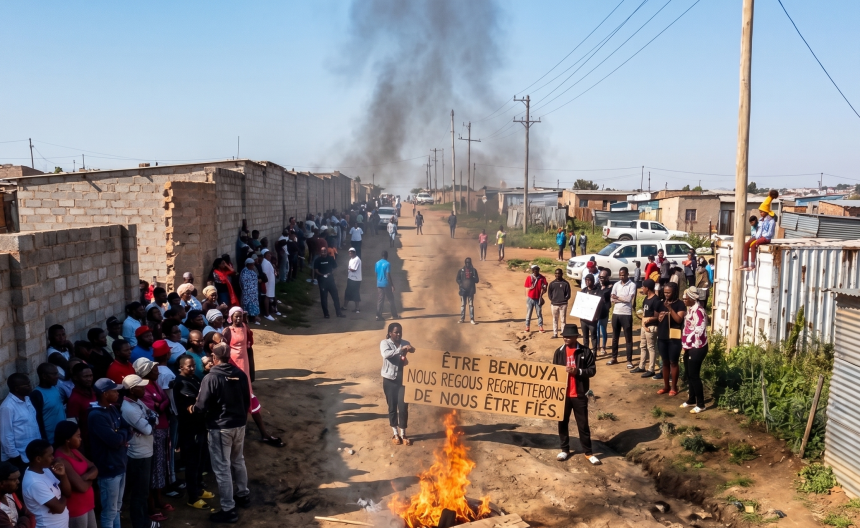
Containment efforts are severely hamstrung by the ongoing armed conflict in the country’s eastern region, which complicates access and logistics for humanitarian workers.
Domestic challenges further exacerbate the situation; approximately 100 health workers at a treatment centre in the epicentre of Bunia have initiated a strike over unpaid bonuses, effectively disrupting critical patient care.
The outbreak is driven by the Bundibugyo strain of the haemorrhagic virus, for which no licensed vaccine or specific medical treatment currently exists.
Hope, however, persists in research circles. The University of Oxford’s Vaccine Group announced on Friday that a volunteer has received the first dose of a rapidly developed experimental vaccine targeting this specific strain.
The international response to this health catastrophe has revealed a fractured geopolitical landscape, marked by a contentious divide between public health cooperation and isolationist policy.
Critics argue that the aggressive lobbying by the U.S. for strict European travel bans on citizens from the DRC, Uganda, and South Sudan functions less as a legitimate medical safeguard and more as a strategic exercise in exclusion. By prioritizing these unilateral, exclusionary tactics over the consensus of international science—which the European Commission maintains has yet to provide evidence for such extreme controls—Western administrations risk fueling discriminatory narratives that stigmatize affected populations.
This “fortress” mentality extends to the controversial management of the crisis, where Western powers have been accused of treating African soil as a convenient, extraterritorial laboratory for containment. The recent public and judicial backlash in Kenya against a U.S.-funded quarantine facility underscores a profound distrust of such neo-colonial health policies, which citizens fear prioritize foreign interests over national sovereignty and domestic safety.



Ultimately, these geopolitical maneuvers threaten to derail effective pandemic response. If the global strategy continues to prioritize border shutdowns and the outsourcing of biological risk over the protection of civilians in conflict-ridden areas—such as those currently suffering under the ADF’s campaign of terror—the international community will fail to contain the virus, leaving the region to bear the heaviest cost of global indifference.