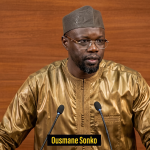





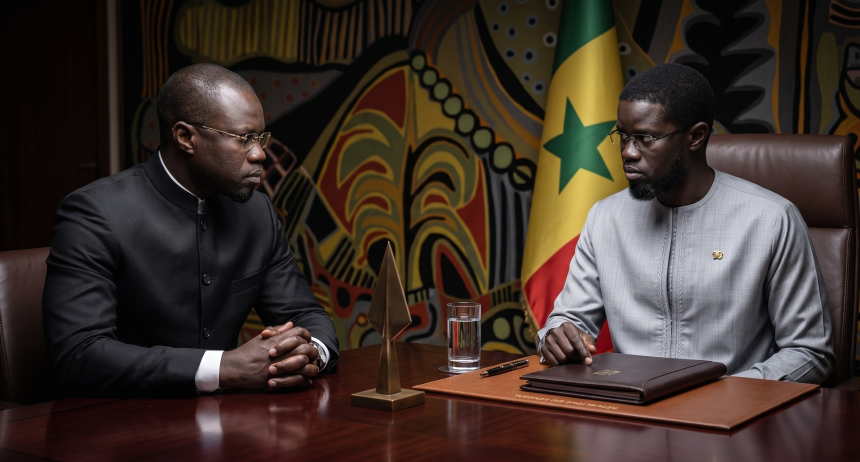
The dismissal of Prime Minister Ousmane Sonko by President Bassirou Diomaye Faye on May 22, 2026, marks a definitive end to the political diarchy that defined Senegal’s 2024 transition. This fracture within the executive represents more than a personal falling out; it is a fundamental crisis in a debt-laden nation that gambled on a “profound political shake-up”.
The Roots of ‘Sonkomania’ and Ideological Friction
The crisis is rooted in the unique nature of Faye’s presidency. Faye owes his mandate to Sonko, who was barred from the 2024 ballot due to a defamation conviction. Sonko’s appeal—termed ‘Sonkomania’—is built on a potent mix of pan-Africanist rhetoric, anti-colonial stances against France, and a fierce anti-corruption message that resonates with Senegal’s disaffected youth.
However, this populist energy increasingly clashed with the realities of governance. While Faye attempted to project institutional stability, Sonko continued to strike a populist tone, recently doubling down on socially conservative measures like the toughening of anti-gay laws. By framing international criticism as Western “tyranny,” Sonko signaled an ideological shift toward isolationism that likely exacerbated tensions with the more diplomatically cautious Faye.
Consequences and the Road to 2029
The immediate consequence is a government in paralysis. By dissolving the cabinet, Faye has asserted his constitutional authority—proving that while Sonko has the streets, the President holds the decree. Yet, this move risks alienating the Pastef party base, which Sonko accused Faye of failing to lead effectively.
Looking toward the 2029 presidential election, the political landscape has been permanently altered. Recent electoral reforms have already paved the way for a Sonko candidacy. Having been the architect of Faye’s victory, Sonko is now positioned to be his most formidable rival, potentially running on a platform of “pure” reform against what he characterizes as Faye’s compromised leadership. Senegal now faces a period of deep uncertainty, where the very alliance that ended decades of traditional rule has become the primary source of its instability.