





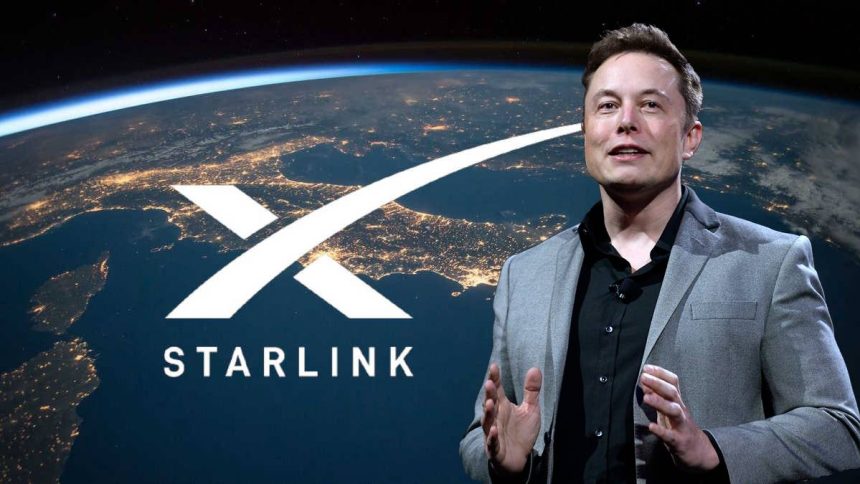
WINDHOEK/JOHANNESBURG — Satellite internet provider Starlink, owned by billionaire Elon Musk, has encountered a significant policy hurdle in its bid to expand across southern Africa, following Namibia’s rejection of its licence application. This decision mirrors the operational block faced by Starlink in neighbouring South Africa, underscoring a regional regulatory trend that prioritizes local ownership and empowerment policies over rapid market entry by foreign tech giants.
The Namibian Standoff
The Communications Regulatory Authority of Namibia (CRAN) confirmed the refusal of the application filed by Starlink Internet Services Namibia (Pty) Limited. While CRAN did not immediately provide a detailed rationale, their statement notably highlighted that the local Starlink subsidiary possesses no local ownership.
This detail suggests that Namibia’s licensing framework, similar to broader trends observed in emerging markets, may incorporate criteria designed to ensure that foreign investment translates into tangible, equitable local economic participation, often through mandatory equity stakes or specific partnership structures. For the Namibian government, the rationale likely centers on safeguarding national interests, promoting local skill development, and preventing capital flight by requiring a share of the enterprise to remain domestically owned.
South Africa’s Empowerment Policy as Precedent
The Namibian decision is contextualized by Starlink’s protracted struggle in South Africa. Telecommunications operators there, especially those involving foreign capital, are mandated to allocate 30 percent equity to Historically Disadvantaged Groups (HDGs). This policy, known as Broad-Based Black Economic Empowerment (B-BBEE), is a foundational instrument aimed at rectifying the systemic racial and economic inequalities inherited from the apartheid era.


The South African government’s rationale is explicit: economic growth must be inclusive and actively dismantle the legacy of racial exclusion. For policymakers, the B-BBEE mandate is not merely a bureaucratic requirement but a crucial social and political tool ensuring that wealth generation is distributed among the previously marginalized majority.
The Investor’s Stance and Counter-Argument
Elon Musk, the founder of Starlink and a South Africa native, has publicly characterized these empowerment policies as “openly racist,” signaling a firm refusal to cede ownership as required by the regulations.



Starlink’s rationale, articulated on its website’s “Myth vs Fact” page, is to establish local subsidiaries and partner with local firms to create jobs and economic opportunities, arguing that this approach delivers the desired economic benefit without compromising the company’s global operational structure or ownership control. The company’s resistance stems from a global investor philosophy that often prefers 100% control, viewing mandatory equity concessions as a deterrent to foreign direct investment and a potential complication to their global capital structure.
Critical Analysis: Policy vs. Progress
The standoff presents a critical tension between sovereign regulatory mandates for equitable development and the operational demands of international technology investors.
- Government Policy Rationale: Governments in southern Africa are employing licensing as a leverage point to enforce transformative economic policies. The core rationale is that access to their market—especially for critical infrastructure like internet services—comes with a non-negotiable cost of social redress and local empowerment.
- Investor Rationale: Starlink’s stance reflects a preference for market liberalization and deregulation, arguing that its service delivers unparalleled technological benefits (high-speed internet to remote areas) that supersede local equity requirements. Musk’s refusal, while framed as a rejection of perceived discrimination, is fundamentally an unwillingness to dilute control, a standard negotiation point for global enterprises entering new jurisdictions.
The outcome in Namibia further solidifies a challenging regulatory environment for Starlink in the region. Unless the company alters its stance on local ownership or the governments adjust their empowerment frameworks, high-speed satellite connectivity from Starlink will remain off-limits to two of Southern Africa’s key economies.