






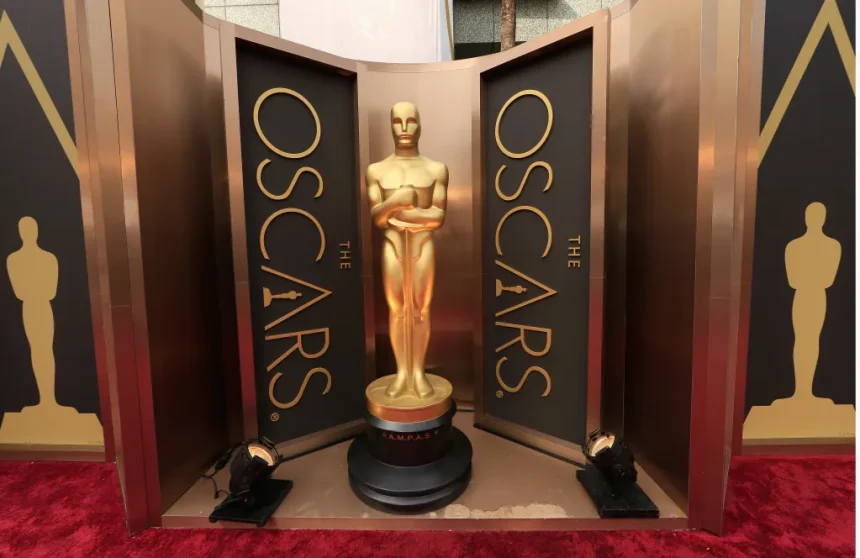
The Academy of Motion Picture Arts and Sciences (AMPAS) has issued groundbreaking updates to the eligibility rules for the 2027 Academy Awards, establishing its first formal stance on artificial intelligence while enacting a sweeping overhaul of the long-criticized International Film category.
The new regulations, released Friday, underscore the Academy’s commitment to human authorship in the creative process, a timely move as generative AI rapidly transforms the filmmaking landscape.
“As we do every year, we made a lot of, we think, really smart and progressive changes,” AMPAS CEO Bill Kramer told The Associated Press. “Obviously, as the academy becomes more global, we need to think about how we are inviting international films into the Oscars conversation.”
The AI Line in the Sand
While the Academy has stopped short of an outright ban on AI, the new rules position “human authorship” as the central metric for evaluation across all categories. The guidelines emphasize that AI tools will “neither help nor harm the chances of achieving a nomination,” but the branches “will judge the achievement, taking into account the degree to which a human was at the heart of the creative authorship when choosing which movie to award.”



Crucially, in the highly sensitive acting category, only roles “demonstrably performed by humans with their consent” will be considered. The Academy also explicitly reserved the right to demand detailed information from filmmakers regarding the nature of AI usage.
The screenplay categories face the strictest mandate: “screenplays must be human-authored to be eligible.”



The Academy acknowledged that defining the line between human and machine collaboration will be an ongoing challenge. “We will review that on a case-by-case basis,” Kramer confirmed, signaling that the rules will be assessed annually.
Global Expansion: A Major International Film Overhaul
Perhaps the most dramatic change comes to the International Film category, addressing years of criticism regarding its outdated structure and susceptibility to political interference.
Under the old system, a film’s eligibility depended solely on being officially selected by its country or region, often sidelining independent or dissident voices. Now, a pathway to nomination will open to films that have won top qualifying prizes at several of the world’s most prestigious film festivals.
New International Film Category Qualifying Awards:



| Film Festival | Qualifying Award |
|---|---|
| Cannes Film Festival | Palme d’Or |
| Venice International Film Festival | Golden Lion |
| Toronto International Film Festival | Platform Award |
| Berlin International Film Festival | Golden Bear |
| Busan International Film Festival | Best Film Award |
| Sundance Film Festival | World Cinema Grand Jury Prize |
In a move cementing the shift toward recognizing the artist over the nation, all international films will now be credited as the nominee, not the submitting country or region. The award will be accepted by the filmmaker, and the director’s name will be engraved on the Oscar plaque.
Other Key Changes
Beyond AI and international films, the Academy also announced updates to performance and song eligibility:
- Multiple Nominations for Actors: The acting branch will now align with other categories by allowing an actor to be nominated for more than one performance in a single category in the same year (e.g., two Best Actor nominations).
- Original Song Eligibility Clarified: For original songs that begin during a film’s end credits, the first music cue must now overlap with at least the film’s last 15 seconds before the credits roll to qualify.