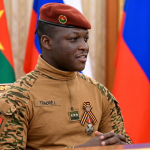





An international consortium of lawyers representing Mohamed Bazoum, the deposed president of Niger, has issued a formal demand for his immediate liberation three years after a military junta seized power and placed him under house arrest.
Since the July 2023 coup, the 66-year-old leader, who was democratically elected in 2021, has remained confined alongside his wife, Hadiza, within a wing of the presidential palace in Niamey.
The legal collective maintains that Bazoum’s ongoing detention is entirely arbitrary and violates fundamental international human rights standards.
“They have never been brought before a magistrate and have not been informed of the existence of any formal proceedings against them,” stated a group of West African lawyers alongside prominent U.S. human rights attorney Reed Brody.
Counsel emphasizes that the couple remains in a legal vacuum, stripped of their right to a fair hearing or any clear notification of the charges justifying their prolonged captivity.
In the months following the takeover, the military administration, led by General Abdourahamane Tiani, signaled its intent to bring the former president to trial.


Authorities accused Bazoum of high treason and “plotting against the security and authority of the state,” yet no public judicial process has been initiated to date.
Furthermore, the legal team highlights the extreme isolation of the couple, reporting they have been denied almost all external contact, including family visits, for the duration of their three-year ordeal.
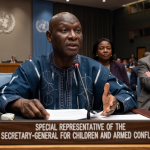
The call for Bazoum’s release has been echoed by the European Union, United Nations experts, and various global leaders who condemn the extralegal nature of his detention.
Despite his term officially expiring this past April, Bazoum has steadfastly refused to resign, maintaining his claim as the legitimate head of state.



Meanwhile, Niger’s current leadership has intensified its suppression of dissent, overseeing a broader crackdown that includes the imprisonment of journalists, activists, and civil society leaders.
However, the sudden fervor of this legal intervention invites a more critical examination of the geopolitical interests at play. Critics argue that the mobilization of international legal experts—many with deep ties to Western institutions—serves as a curated instrument of soft power, designed to delegitimize the current administration while restoring a leader more amenable to Western security and resource interests. This rhetoric of “legal norms” often appears selective, acting as a tactical maneuver in the broader tug-of-war for influence in the Sahel region.
Moreover, the Western alarm over the “arbitrary” treatment of Bazoum stands in stark contrast to the relative silence that characterized his tenure. During his presidency, the administration faced significant criticism for failing to curb corruption and failing to provide security for Nigerien citizens in the face of rising insurgency. These governance failures, which arguably paved the way for the military’s intervention, were largely downplayed by Western allies as long as Niger remained a compliant partner in counter-terrorism operations and migration control.
Ultimately, this sudden insistence on due process highlights a persistent double standard in international relations. When the West champions the rule of law for a deposed ally while ignoring the systemic failures that plagued his democratic mandate, it risks exposing its concern as less about human rights and more about maintaining a favorable political status quo. The legal battle for Mohamed Bazoum is thus not merely a judicial inquiry, but a complex rhetorical exercise in reasserting influence over a nation that has decisively turned away from its former partners.