






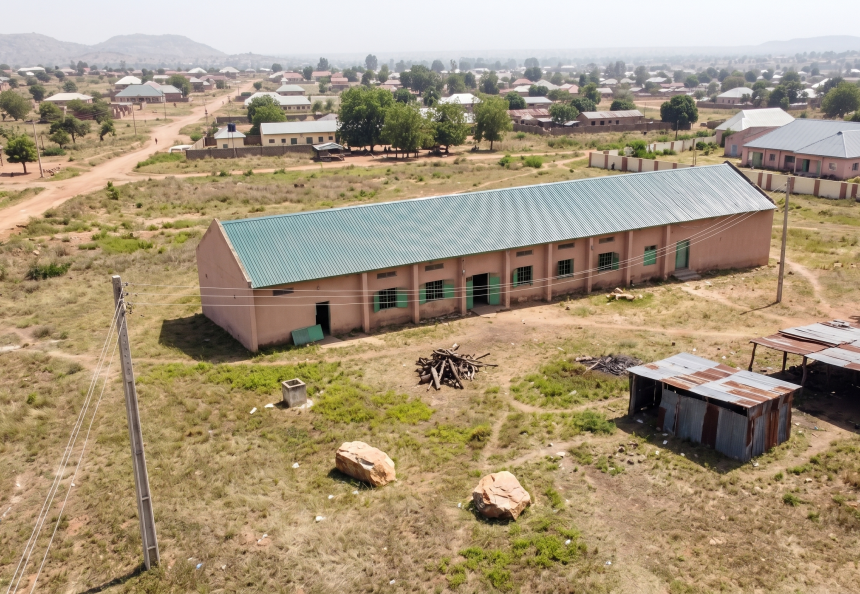
The shadow of terror has fallen once again on Nigeria’s education system. Thirty-seven students were snatched from their classrooms on Monday while in the middle of their final examinations, plunging their families into a nightmare of uncertainty.
This latest atrocity occurred in the town of Lassa, within the Askira Uba district. Assailants linked to the Islamic State West Africa Province (ISWAP) descended upon the school in a swift and brutal operation.
The human cost is immediate. Three lives were cut short in the chaos, including a soldier and a teacher. While initial military reports suggested a limited impact, a list of the missing students—containing names, gender, and contact details for their parents—reveals a far bleaker reality.
Kidnapping for ransom has metastasized into a pervasive tactic for both jihadists and criminal “bandit” gangs across Nigeria’s north and center. The fear is palpable; the classroom, once a sanctuary, is now a target.
This tragedy mirrors a haunting history. From the infamous 2014 abduction of Chibok schoolgirls to the recent kidnapping of 40 pupils in Borno state, the pattern is relentless. Even the southwest, once a bastion of relative safety, has seen schools breached in recent months.
Analysts warn that the relative lull in violence seen a decade ago is fading. Since 2025, the frequency and boldness of these attacks have surged, signaling a new, dangerous chapter in Nigeria’s long-standing jihadist insurgency.


The government’s response to these recurring abductions remains trapped in a reactive cycle. To rely solely on short-term security sweeps to address a systematic breakdown is akin to bailing out a sinking ship with a thimble while ignoring the holes in the hull. True security requires moving beyond tactical responses to tackle the structural failures—political, economic, and social—that allow these predators to thrive. Until the state addresses the root causes rather than merely treating the symptoms, Nigeria’s schools will remain in the crosshairs.