





Guinea-Bissau is currently navigating its first-ever outbreak of mpox, a significant public health event that has placed the nation’s healthcare system on high alert. While the government has confirmed seven adult cases with no reported fatalities since the outbreak was declared on July 4, 2026, the situation has escalated into a major public health concern due to the disproportionate impact on the nation’s youngest population.
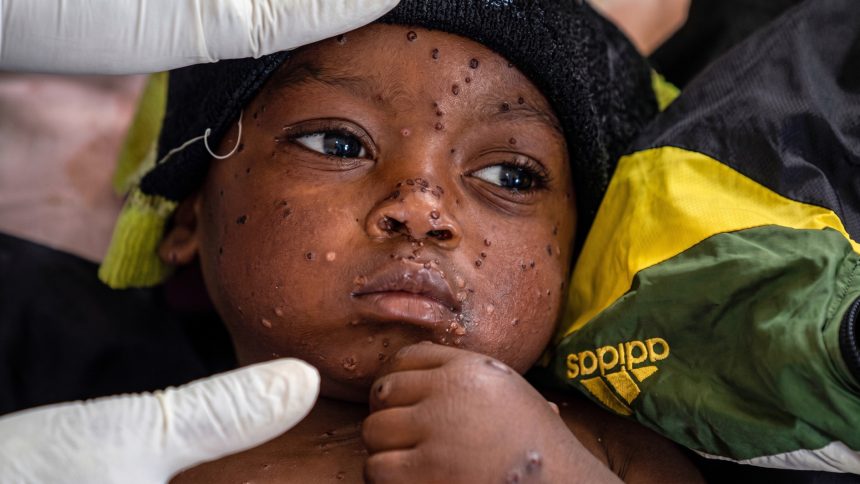
Alarmingly, nearly half of the 46 suspected cases involve children under the age of 15. The United Nations Children’s Fund (UNICEF) reports that 16 of these suspected cases are children under four years old, a demographic particularly susceptible to severe complications from the virus. With schools scheduled to reopen in September, health officials warn that the anticipated increase in social interaction and physical contact could accelerate transmission rates among this vulnerable group, heightening the urgency for effective containment.
Mpox, a viral disease belonging to the same family as smallpox, typically manifests through a distinct rash accompanied by fever, chills, swollen lymph nodes, muscle aches, and fatigue. While transmission is often associated with close skin-to-skin contact, the virus can also spread through contact with contaminated materials, such as clothing or eating utensils, posing challenges for households managing the illness.
The current governmental response, led by the Ministry of Public Health in coordination with the World Health Organization (WHO) and UNICEF, is attempting to activate national response mechanisms, including strengthened surveillance and infection prevention control (IPC). However, these efforts face substantial systemic headwinds. Critical assessments of the regional readiness in ECOWAS member states reveal that Guinea-Bissau suffers from significant shortages in specialized healthcare personnel and the ICU facilities required to manage severe cases. These gaps are further compounded by logistical hurdles, including limited transport infrastructure for rapid response teams and a lack of pre-positioned medical supplies, which have historically delayed field investigations in similar regional contexts.
Ultimately, current policy efforts remain largely reactive, prioritizing immediate crisis management over the systemic strengthening of health infrastructure. While UNICEF is actively seeking $150,000 in emergency funding to address surveillance gaps—particularly in contact tracing and testing—this infusion of capital addresses only the symptoms of a deeper fragility. To mitigate the risk of future outbreaks, policymakers must pivot toward sustainable, long-term investments in decentralized laboratory capacity and cross-border emergency supply mechanisms. The current outbreak serves as a stark reminder that without addressing structural inequities in the healthcare system and harmonizing regional response logistics, Guinea-Bissau remains ill-equipped to manage emerging zoonotic threats.