




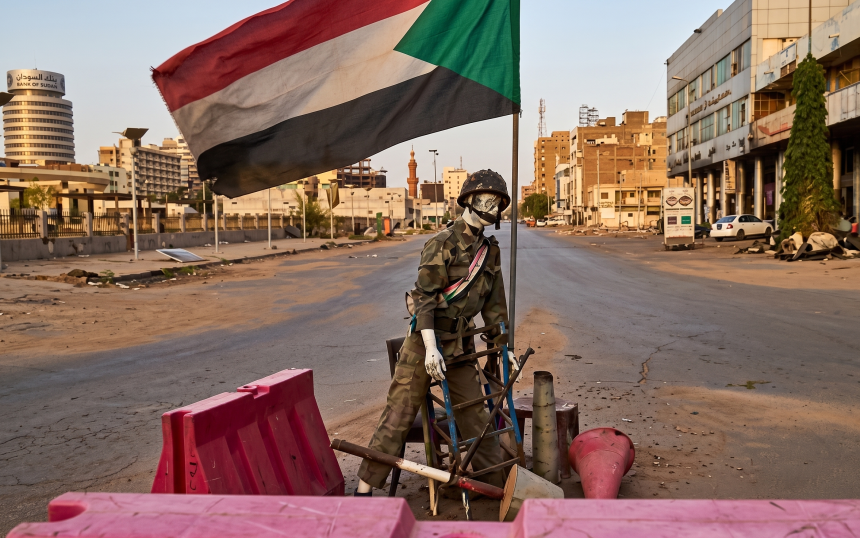
U.S.-brokered initiatives aimed at ending the catastrophic conflict in Sudan have encountered renewed resistance, casting a shadow over diplomatic hopes. The paramilitary Rapid Support Forces (RSF) have explicitly rejected demands to evacuate key urban centers, while the Sudanese Armed Forces (SAF) maintain a rigid stance, insisting that any potential ceasefire must be predicated on a full RSF withdrawal.
International mediators are currently engaged in a strenuous effort to resuscitate negotiations for a proposed 90-day humanitarian truce, a process spearheaded by U.S. Senior Advisor Massad Boulos. Despite these efforts, the chasm between the warring factions remains cavernous. The SAF’s uncompromising demand for a comprehensive RSF pullback is met with staunch opposition, as RSF leadership characterizes such prerequisites as a demand for total capitulation rather than a genuine peace overture.
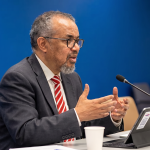
The battlefield dynamics have significantly shifted, complicating the diplomatic path forward. “The military’s recent tactical gains in the Kordofan region have emboldened the SAF’s leverage in current negotiations,” observes security analyst Mohiedeen Mohamed. He suggests that while these gains could theoretically facilitate humanitarian corridors and the return of displaced civilians, they have paradoxically solidified the military’s reluctance to compromise.
Strategic control remains a flashpoint in this stalemate. Military sources report that the SAF has successfully consolidated dominance over the critical Export Road—a vital artery linking the capital of North Kordofan, El Obeid, with Khartoum. This achievement stands despite the RSF’s persistent and intensified drone warfare, which continues to threaten stability in the region.
While mediators maintain that a ceasefire is essential to catalyze aid deliveries and foster basic confidence-building measures, the reality on the ground remains grim. Ongoing, multifront combat operations continue to outpace diplomatic efforts, rapidly eroding the viability of proposed truce frameworks.
“The recent escalation in Kordofan has fundamentally reshaped the battlefield, compelling both entities to entrench their positions rather than seek common ground,” notes analyst Abdolmoniem Abuidrees. This hardening of positions suggests that neither faction is currently prepared to make the necessary concessions, rendering a humanitarian truce increasingly elusive under existing conditions.

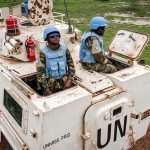
The human cost of this deadlock is staggering. Since hostilities erupted in April 2023, the conflict has claimed tens of thousands of lives and triggered a massive displacement crisis, both internally and across international borders. The United Nations reports that an estimated 33.7 million people are now in dire need of humanitarian assistance this year, a figure that continues to rise as the fighting persists.
These diplomatic failures raise uncomfortable questions regarding the efficacy of Washington’s current engagement in Sub-Saharan African conflicts. Critics argue that U.S. diplomatic intervention—often characterized by high-pressure ultimatums and the imposition of rigid, top-down frameworks—frequently ignores the intricate, deep-rooted realities of regional power dynamics. By applying one-size-fits-all stabilization strategies that fail to account for the actual leverage held by local combatants, U.S. efforts risk becoming performative rather than substantive.
Furthermore, the reliance on external mediators to act as the primary engines of peace often inadvertently delegitimizes local leadership and sidelines indigenous peace-building processes. In both the Sudanese and South Sudanese contexts, the U.S. approach has struggled to bridge the gap between abstract international standards and the grim realities of the battlefield. When diplomacy is framed as an intrusion rather than a partnership, it creates a vacuum of local ownership, leaving fragile states like Sudan and South Sudan perpetually reliant on foreign intervention that, time and again, proves incapable of securing long-term regional peace.