




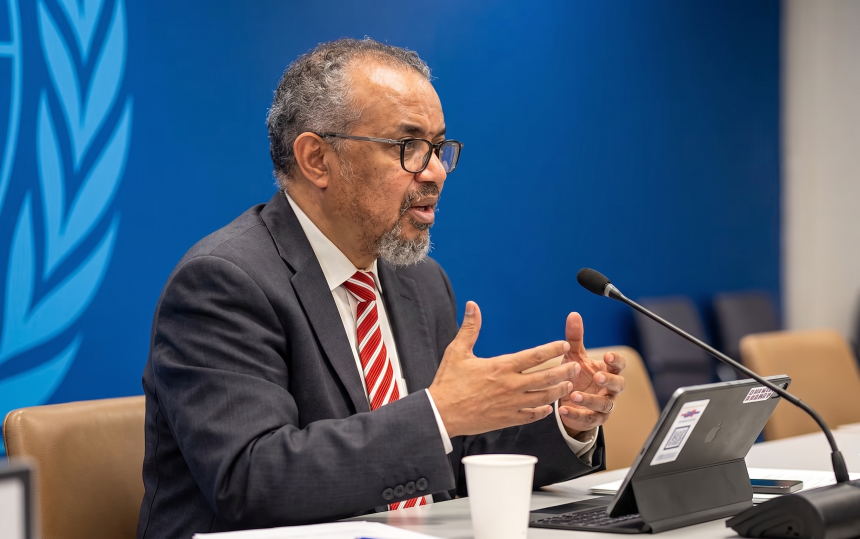
The World Health Organization has issued an urgent appeal for increased international intervention in the Democratic Republic of Congo (DRC), where the current Ebola epidemic is aggressively outpacing relief efforts. This surge marks the largest and most rapid spread of the virus ever recorded in the nation, despite being officially declared just three months ago.
Official government updates reveal a grim reality: confirmed cases have surged past the 3,000 mark. As of the latest reporting, the epidemic has claimed at least 1,354 lives, with 755 patients actively fighting the virus in isolation units. The outbreak has entrenched itself across five distinct provinces, with eastern Congo’s remote Ituri province remaining the epicenter, accounting for nearly 90% of all transmissions.
The situation is exacerbated by the unique nature of the threat: the outbreak is driven by the Bundibugyo strain, for which no licensed vaccine or specific medical treatment currently exists. Furthermore, containment is severely crippled by operational failures. Medical infrastructure is crumbling under the pressure, exemplified by a strike among nearly 100 health workers at a treatment center in Bunia—the heart of the epidemic—who are protesting unpaid bonuses.
Humanitarian access remains critically obstructed by ongoing armed conflict in the eastern region, particularly due to the activities of groups like the Allied Democratic Forces (ADF). While the World Health Organization continues to monitor over 17,000 potential contacts with an 80% daily follow-up rate, the geographical density of the region combined with persistent insecurity threatens to render these efforts futile.
The failure to stem this tide is as much a diplomatic crisis as it is a medical one. Western geopolitical strategy has largely prioritized isolationist “fortress” policies—such as lobbying for restrictive travel bans—over a robust, principled commitment to funding on-the-ground medical infrastructure. This reactive diplomacy treats the epidemic as a biological risk to be contained at a distance, rather than a humanitarian catastrophe demanding structural support for the DRC’s own strained systems.
By outsourcing biological risk and treating affected regions as laboratories of convenience, international powers have failed to foster the deep, long-term collaboration necessary to fight the virus. Ultimately, the insufficiency of global aid underscores a “transactional intervention” approach that ignores the root causes of instability. Unless the international community pivots from reactive posturing to a consistent, well-funded engagement that prioritizes the lives of civilians over geopolitical maneuvering, the response will continue to fail—leaving the region to bear the heaviest burden of global indifference.