




DATELINE: YAOUNDÉ — As the dust settles on Cameroon’s latest electoral cycle, the international community is being urged to look past the political theater and confront the grim reality of a nation trapped in a cycle of systemic violence. While political actors have exited the stage, the fallout from what is being termed an “Election of Surrender” has left the populace, particularly the diaspora, in a precarious state of vulnerability.
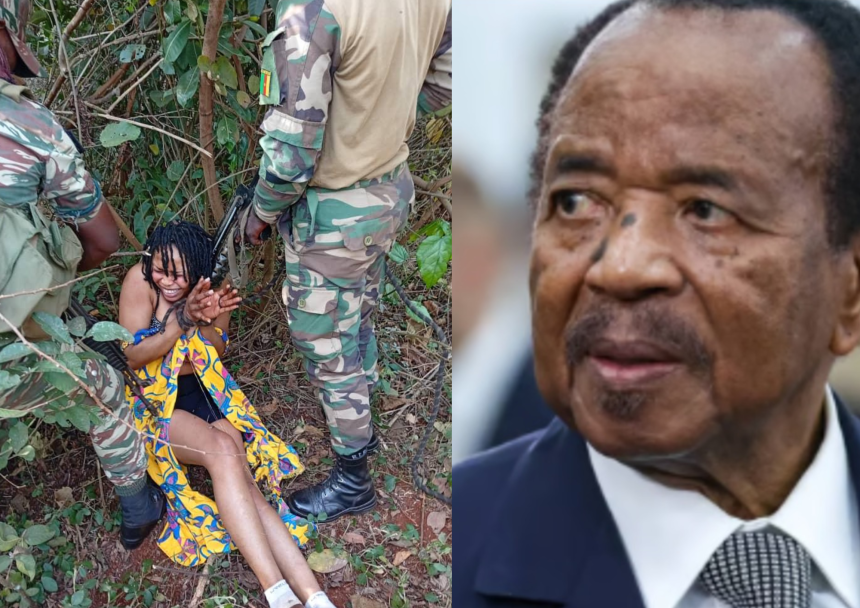
For over four decades, President Paul Biya has maintained an iron-fisted rule, a tenure that critics argue has prioritized consolidation of power over democratic reform. The recent elections, which promised a shift in governance, have instead solidified a climate of intimidation, effectively masking the ongoing conflict and the suffering of ordinary citizens.
The Human Face of Cruelty: The Story of Jessica Angwi
Behind the statistics and political commentary lie deeply personal stories of survival and trauma. Jessica Angwi, whose story has become a haunting symbol of the regime’s reach, serves as a stark reminder of the cost of dissent.
Angwi, who was subjected to severe and traumatic abuse within the Bamenda central police station, was eventually forced to flee into exile to save her life. Her case is not an anomaly, but rather a reflection of the systemic violence inflicted upon those who stand in the way of the status quo. From the struggles of elders like Mama Angwi, who faced similar agonizing battles for survival, to the tragic death of Ana Tabe, who succumbed to torture while in detention, the human toll is undeniable.
The chilling atmosphere in regions like Bamenda has effectively silenced many, while dozens of individuals remain missing, their whereabouts unknown to their families—a testament to a system that operates with little accountability.
A Trap for the Diaspora
The post-election landscape has turned Cameroon into a dangerous terrain for its own citizens abroad. Many diasporans, who returned home to witness the election or visit family, find themselves ensnared in a security net designed for control. With security forces and armed actors utilizing intimidation as a tool of governance, safe passage out of the country has become a gamble.
This environment has created a widening rift between the diaspora and their homeland. Fewer Cameroonians are willing to risk returning, fearful that the political processes—which offer no protection for the innocent—will make them targets for arbitrary detention or worse.
A Call for Global Attention
The “Election of Surrender” has shattered the illusion of political choice, revealing a state where power is preserved at the expense of human rights. As the international community observes the continued entrenchment of autocracy in Cameroon, there is a growing demand for accountability and global intervention.
The silence surrounding these events is complicit. It is time for a broader, more urgent awareness of the conditions in Cameroon—a nation where the right to live without fear has become a luxury few can afford.