




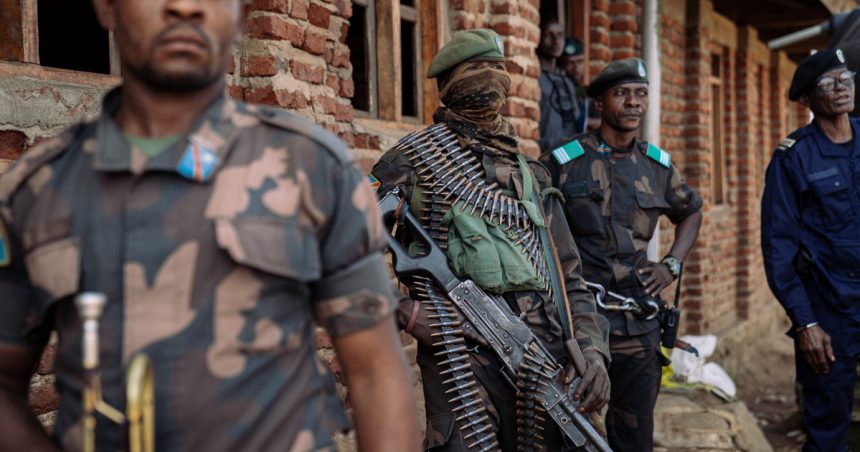
At least 36 civilians have been brutally murdered in two days of attacks attributed to the Islamic State-linked Allied Democratic Forces (ADF) in the north-eastern Democratic Republic of Congo (DRC), raising urgent questions about the efficacy and commitment of regional anti-insurgency efforts.
Local officials and security sources confirm the bloodshed began on Tuesday, shattering the fragile peace in the region. In the town of Biakato, ADF fighters reportedly unleashed a reign of terror, killing at least 15 people, including women and a child. “They started killing them with bullets and machetes,” stated the head of the local civil society organization, highlighting the barbaric nature of the assault.
The carnage continued with 21 more deaths, primarily farmers, in four remote villages straddling the border between Ituri and North Kivu provinces—areas covered by dense forest that serve as ADF strongholds.
Critical Analysis: A Partnership Under Scrutiny
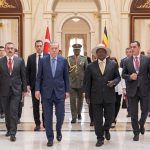
This latest massacre casts a grim shadow over the much-touted 2021 deployment of the Ugandan army (UPDF) to the region to fight the ADF alongside the Congolese military (FARDC). The stated goal was to dismantle the decades-old rebel group, yet the frequency and severity of attacks continue to rise.
The critical question now is: What has the joint military operation truly achieved?
If, two years into a major cross-border military intervention, the ADF can still execute mass killings on this scale—targeting isolated civilian communities and operating with apparent impunity in areas supposedly under increased security presence—the operational strategy must be fundamentally flawed.
Questioning Government Intentions
The persistent humanitarian crisis and unchecked violence in the mineral-rich eastern DRC demand transparency and accountability from both Kinshasa and Kampala.
- Is the current military strategy prioritizing political maneuvering over genuine civilian protection? The ADF, originally a Ugandan rebel group, has been based in Congo since the late 1990s, but its recent expansion and heightened brutality, documented in reports like the recent one from Amnesty International accusing the group of war crimes and crimes against humanity, suggest a failing containment policy.
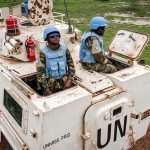
- Why, despite heavy military deployment and international condemnation (including UN implication in extrajudicial killings and extortion), are the rebels expanding their reach? The violence conveniently masks and complicates the illicit resource extraction and control that has plagued the region for three decades, fueling speculation that certain parties may be benefiting from the ongoing instability.
The deaths of 36 innocent people serve as a stark and tragic reminder that for the people of North Kivu and Ituri, the promised security dividend from the joint military operations has yet to materialize. The international community must press the DRC and Uganda for a clear, effective plan to protect civilians, rather than allowing these attacks to become the grim, accepted status quo.