






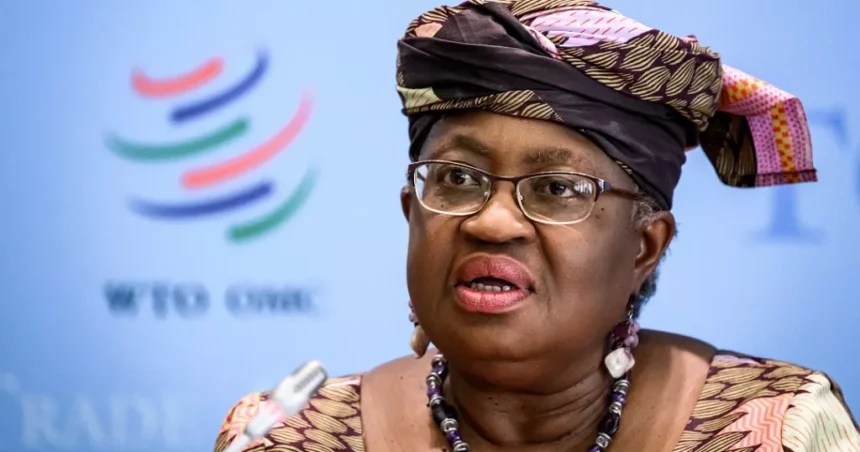
In a recent and revealing interview with BBC Focus on Africa, Dr. Ngozi Okonjo-Iweala, Director-General of the World Trade Organization (WTO), offered a nuanced perspective on how escalating global geopolitical tensions—specifically those involving the United States, Israel, and Iran—are poised to influence Africa’s economic trajectory. Her analysis provided both a sober warning about immediate challenges and an optimistic outlook on the continent’s long-term potential.The Immediate Threat: Global Energy Price Volatility
A central and pressing concern highlighted by Dr Okonjo-Iweala is the enduring threat of rising global energy prices. She explicitly warned that instability in key energy-producing regions, exacerbated by current geopolitical rivalries, inevitably translates into a surge in crude oil and natural gas prices. For African nations, many of which are net importers of energy, this volatility is a critical concern. The potential for “ripple effects on household costs across the continent” is significant. These effects manifest not only at the petrol pump but also in the increased cost of manufacturing, transportation, and food production, leading to higher inflation and a direct reduction in the purchasing power of African families. The sustained rise in the cost of living could threaten fragile economic recoveries and increase social instability in several nations. Africa’s Relative Insulation and Economic Resilience
Despite these global headwinds, Okonjo-Iweala offered a measure of reassurance regarding Africa’s position amidst the grander strategic confrontations. She noted that compared to other regions of the world, Africa may be “less directly exposed to geopolitical rivalries between major powers.” This relative insulation stems partly from its geographic distance from certain flashpoints and the nature of its economic ties. While many nations maintain strong trade links with major global economies, their non-alignment on specific geopolitical issues can, in some instances, afford them greater autonomy and shield them from the most severe retaliatory economic measures or direct strategic pressures. This position allows African nations to potentially maintain diversified partnerships and focus inward on regional economic integration.The Demographic Dividend: Africa’s Consumer Market Potential
Crucially, the WTO Director-General pivoted the discussion toward Africa’s inherent and unparalleled competitive advantage: its demography. With a burgeoning population that has recently surpassed 1.4 billion people and is projected to become the world’s most populous continent, Africa holds immense economic promise. Okonjo-Iweala emphasized that this massive populace is not merely a number, but a foundation for profound economic transformation.
She asserted that Africa “has the potential to emerge as one of the world’s most powerful consumer markets.” This transformation is contingent, however, on the continent’s ability to “leverage its demographic advantage effectively.” Leveraging this potential involves several critical policy actions:
- Investment in Human Capital: Ensuring quality education and skills training to convert a large population into a highly productive workforce.
- Infrastructure Development: Building the digital and physical connectivity necessary to facilitate intra-continental trade and integrate markets.
- Job Creation: Developing robust manufacturing, services, and agricultural sectors that can absorb millions of young entrants into the labour force.
- Continental Integration: Expediting the implementation of the African Continental Free Trade Area (AfCFTA) to create a single, unified market that can attract large-scale domestic and foreign investment.
By harnessing the wealth-generating capacity of its massive, young population, Africa could create a powerful engine of domestic demand, making it less reliant on exports to volatile global markets and less susceptible to the geopolitical machinations of major global powers. The continent’s future, Okonjo-Iweala’s commentary implies, rests on its ability to transform a demographic reality into a definitive economic strength.