


Burkina Faso has inaugurated its formidable $64-billion National Development Plan (NDP) for the 2026–2030 period, unveiled earlier this week on March 9. This program represents one of the most substantial economic initiatives ever proposed within the Sahel region. Notably, the plan marks a significant strategic shift, as approximately two-thirds of the monumental funding is projected to be raised domestically. This domestic mobilization will primarily rely on revenues generated by state-owned enterprises and robust citizen shareholding programs.
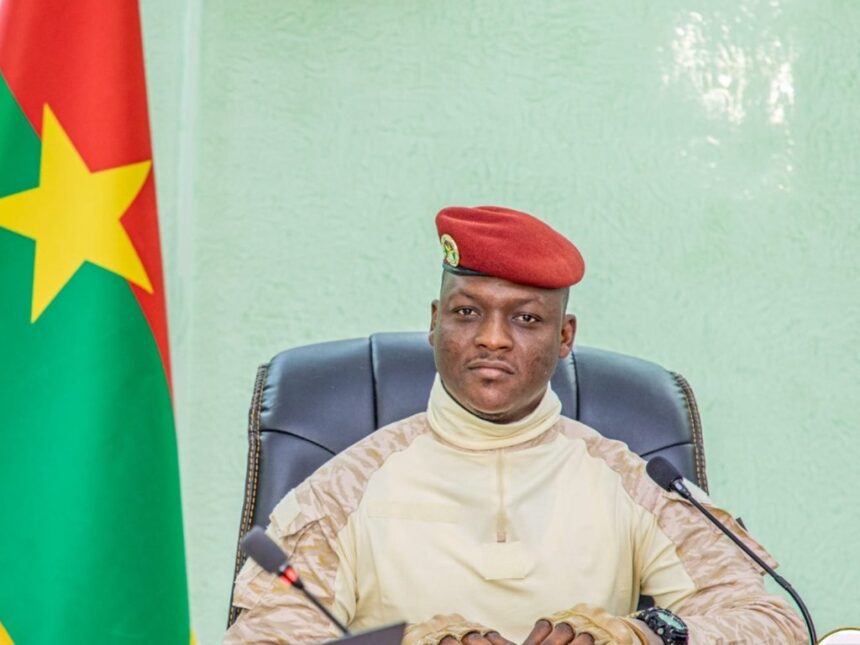
In a move underscoring a commitment to economic sovereignty, Finance Minister Aboubakar Nacanabo emphasized the plan’s departure from past reliance on external aid. “Using our sovereign resources, we can sustainably transform our economy and improve the lives of our people,” he insisted, highlighting the government’s determination to chart an independent course for development. The launch follows a critical cabinet meeting in March 2026, overseen by President Ibrahim Traore, where the final details were cemented. Core Objectives and Strategic Rupture

The NDP, formally adopted by the cabinet on January 29, lays out four specific, transformative objectives that the nation is committed to achieving over the five-year span:
- Poverty Reduction: A determined effort to reduce the national poverty rate from 42% to 35%.
- Improved Public Health: A goal to increase the national life expectancy from 61 years to 68 years.
- Energy Sovereignty: A massive expansion of electricity generation capacity, aiming to increase output from 685 MW to more than 2,500 MW.
- Territorial Integrity: The most crucial objective remains the definitive retaking of control over the entire national territory.
A Foundation of Security and Fiscal Strength
This ambitious economic leap is built upon significant progress made since Captain Ibrahim Traoré came to power in a popularly supported military coup in 2022, which ousted the France-backed regime of Roch Kaboré. At the time of the coup, the Burkinabe state was in control of barely 60% of its territory, with the remainder held by various terror groups.
Traoré’s government swiftly expelled French troops and focused on strengthening the national army. This military restructuring has been successful, leading to the regaining of control over almost 75% of the national territory by the end of 2025—a vital precondition for development.
Concurrently, the nation has achieved major strides in its economic base. The country has initiated significant drives in agriculture, moving towards self-sufficiency in food production, and in industry, even beginning the production of solar-powered electric cars with technological assistance from partners like China. Financial Autonomy and Mining Reform
A cornerstone of the new self-reliant strategy was the nationalization of five foreign-owned gold mining assets in June 2025. This bold move allowed the state to capitalize directly on the global rally in gold prices—Burkina Faso’s primary export. The revenue generated from these state-controlled assets provided a significant boost to the national treasury, enabling the government to repay over two billion dollars of domestic debt. This move reduced the country’s domestic debt by a quarter, dramatically improving its fiscal position and establishing the sound financial footing required for the NDP. Industrialization and Local Processing
The $64-billion five-year plan aims to leverage this strong fiscal and security position not only by expanding mining operations but, critically, by ensuring that raw materials are processed locally instead of being exported in their unprocessed form. Developing infrastructure to promote comprehensive industrialization is a top priority of the NDP, a plan that has been under intensive formulation for a full year, beginning on March 9, 2025.
On December 31, 2025, the steering and supervision committee, led by Prime Minister Jean Ouédraogo, formally reviewed and adopted the comprehensive NDP document. Reflecting on the significance of the achievement, Ouédraogo declared that the document “now stands as a true national pact for the structural transformation of our economy, the consolidation of security and peace, the rebuilding of the State, and the promotion of inclusive and sovereign endogenous development.”