




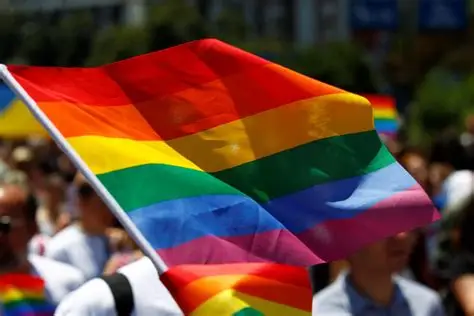
Senegal’s parliament has passed a significant anti-gay law, dramatically increasing the maximum prison sentence for same-sex sexual acts from five years to ten years. The new legislation, which also criminalizes the “promotion” of homosexuality, was approved by 135 MPs with no opposition. It now awaits President Bassirou Diomaye Faye’s signature.
This measure fulfills a key campaign promise by President Faye and Prime Minister Ousmane Sonko. It follows a recent series of arrests for alleged same-sex relationships, which were already illegal under Senegalese law.

Domestic Support vs. International Condemnation
The government has defended the law as a reflection of the Senegalese people’s views. Government spokesman Amadou Moustapha Ndieck Sarré stated, “The majority of Senegalese do not accept homosexuality. Our culture rejects it, and we are firmly opposed to it.” Conservative groups, such as the movement and Sàmm Jikko Yi, have long pushed for harsher penalties, arguing the law is vital to protect Senegalese cultural and religious norms.
However, the bill has drawn sharp international criticism. UN human rights chief Volker Türk called the measure “deeply worrying” and urged the president not to sign it. Rights groups also warn of severe consequences for sexual minorities.
Concerns from Rights and Health Experts



Human Rights Watch researcher Larissa Kojoué stressed that criminalizing same-sex conduct violates “multiple internationally protected rights, including equality and non-discrimination,” and risks exposing an already stigmatized group to “violence and fear.” Alioune Tine, founder of the Afrikajom Center, noted that while social concerns must be addressed, the law “also has to respect human rights and protect public-health policies.”
The head of the Senegal LGBTQ Association, Dr. Charles Dotou, pointed out that same-sex relationships will not be abolished, only driven further underground. He warned that the law will “create more fear and people will be scared to live normally,” potentially leading to an “exodus of people” and “a bit of chaos in society.”
Impact on HIV/Aids Control
The new legislation also poses a serious threat to Senegal’s successful efforts to control HIV/Aids. While some supporters of the law cite concerns about HIV transmission, experts warn that further criminalization will vilify gay people living with HIV, making them reluctant to seek vital medical care. Senegal’s national adult HIV prevalence rate of about 0.3% is one of the lowest in West Africa.


Dr. Safiétou Thiam, executive secretary of the National Council for the Fight Against Aids (CNLS), expressed deep concern, telling BBC News Afrique, “What is happening now risks undermining the results of 30 to 35 years of efforts in the fight against the disease.”
Context of Regional Laws
The toughening of Senegal’s law mirrors a wider trend in Africa. Other nations have recently introduced harsh anti-LGBTQ+ laws:
- Uganda passed one of the world’s harshest laws in 2023, including the death penalty for certain same-sex acts.
- Burkina Faso and Mali approved bans on homosexual acts in 2023 and 2024, respectively.
- Ghana is also moving to re-introduce a similar anti-homosexual bill.
Prime Minister Ousmane Sonko had informed lawmakers that the bill would punish “acts against nature” with fines up to 10,000,000 CFA francs and prison terms ranging from five to 10 years, an increase from the current one- to five-year terms.